How to Reduce Manual Cutting Errors with a Foot Cutting Shear
Reduce manual errors with professional foot trimming scissors. Learn how precision tools improve cutting accuracy, safety, and efficiency in meat processing.
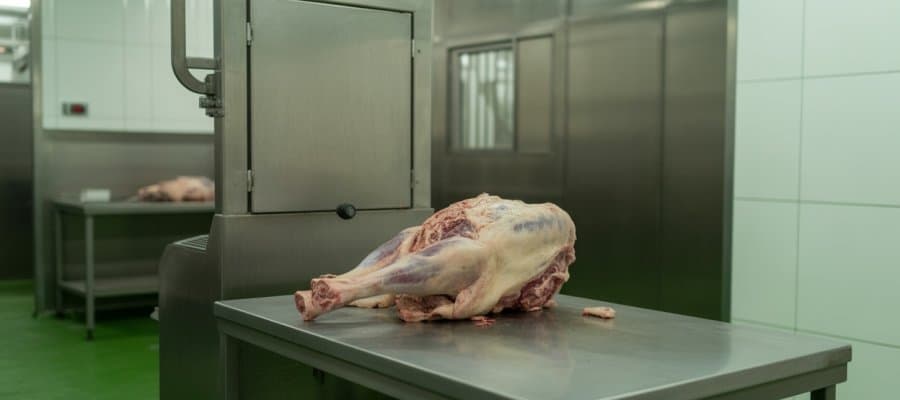
In high-volume meat processing environments, even the smallest cutting error can lead to product loss, worker injuries and operational inefficiency. Manual cutting errors are not just a matter of skill; they are often the result of tool limitations, fatigue and inconsistent cutting mechanics. This is where a foot-operated cutting shear becomes a critical solution for facilities that want to improve precision, safety and consistency.
Understanding the Root Causes of Manual Cutting Errors
Before looking at solutions, it is important to understand why manual cutting errors occur so often in industrial meat processing. One of the main factors is operator fatigue caused by repetitive hand movements, which reduces precision and increases the likelihood of slipping or uneven cuts. Another common cause is inconsistent pressure when using hand knives or shears, because small variations in force change the depth and angle of the cut. In addition, limited visibility and control during fast-paced processing make it harder for workers to follow exact cutting lines and keep them smooth. Human factors matter as well: under production pressure, reaction time can lead to rushed or badly timed movements that multiply errors. In traditional setups even experienced operators are vulnerable to variability. Over time, small inaccuracies add up and affect yield quality and production speed.
What Sets a Foot-Operated Cutting Shear Apart
A foot-operated cutting shear uses a pedal mechanism to transfer the cutting force from the hands to the lower body. This change brings several technical and ergonomic advantages:
The hands are free to hold and position the material, giving more control over alignment and feed; consistent cutting force applied through mechanical leverage minimizes variation between cuts; and less strain on the wrists, fingers and forearms reduces operator fatigue and the risk of repetitive strain injuries. Because the cutting action is mechanically driven, operators achieve more predictable cutting angles regardless of fatigue, which improves accuracy and repeatability in production environments. The pedal operation also allows smoother movement and steady pressure without interrupting hand placement, making the tool suitable for long working periods or delicate cutting jobs where consistency and ergonomics are critical.
Precision and Control in Slaughterhouse Operations
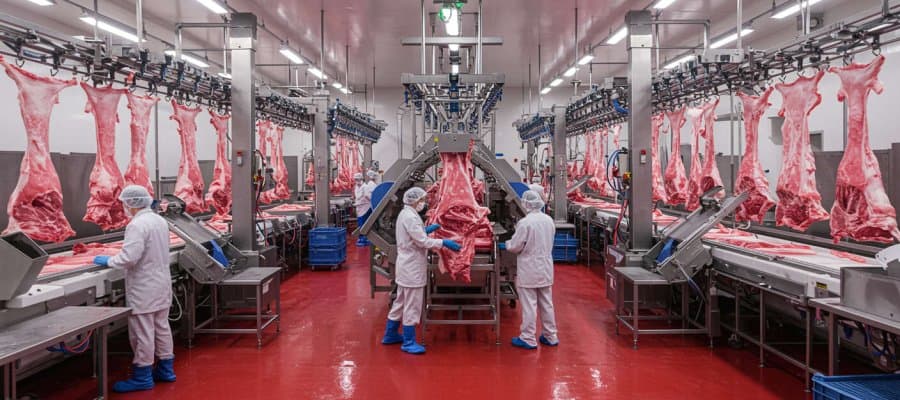
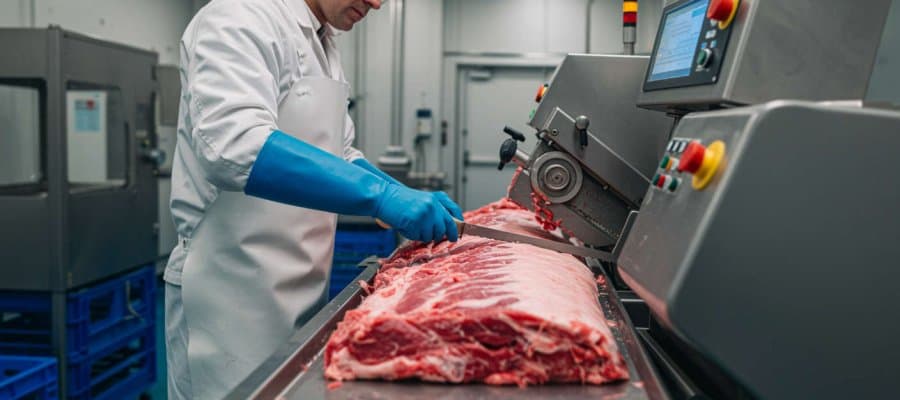
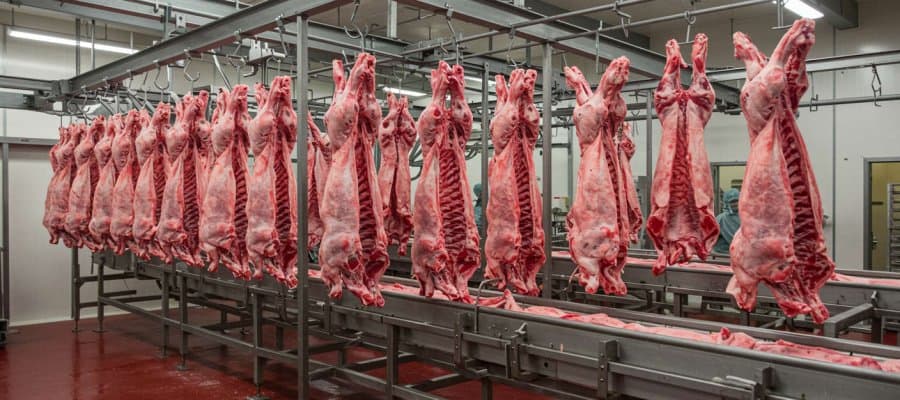
In a slaughterhouse that uses a leg cutting shear, precision is not optional; it directly affects downstream processes such as deboning, packaging and quality grading. Precise equipment and skilled operators working together preserve meat yield on every cut, reduce waste and speed up later inspection and trimming. Clean, single-motion cuts through joints and connective tissue give smoother workflows and reduce the need for secondary cuts. Operators benefit from systems that let them align the cut precisely before pressing the pedal, which removes guesswork and lowers the risk of costly mistakes during busy shifts. Blade deviation is lower, which minimizes bone breakage and helps protect product integrity and safety, while repeatability gives uniform cut sizes across shifts and operators, supporting consistent packaging, accurate portion control and reliable quality grading throughout the facility.
How Foot-Operated Systems Help Reduce Manual Cutting Errors
When discussing how to reduce manual cutting errors, the conversation should focus not only on operator skill but also on system design.
Mechanical Consistency
The cutting force is produced by the machine, not by the operator's hand strength. This eliminates uneven pressure and incomplete cuts. Mechanical consistency provides repeatable accuracy, less waste and higher production efficiency. Operators concentrate on setup and inspection, while safety and quality improve continuously across all shifts and product batches.
Improved Ergonomics
Improved ergonomics increases workflow efficiency and comfort for industrial teams, encouraging sustainable productivity and fewer interruptions. Operators adopt a more natural posture, which reduces fatigue-related errors over long shifts. Thoughtful design adjustments and supportive equipment encourage safer movements, faster recovery during breaks and lower injury rates.
Better Focus
Better focus transforms the quality of work: operators concentrate on precise positioning and visual inspection, which reduces errors and increases efficiency. Because they focus on positioning rather than cutting force, they can devote themselves fully to alignment and accuracy. This clarity brings consistent results, safer processes and faster training for new staff.
Reduced Rework and Waste
Reducing rework and waste lowers costs and improves efficiency. Cleaner cuts mean fewer rejected parts and fewer corrections, which directly increases yield. Improved precision reduces material use, speeds up production and lowers the amount that ends up in the landfill. Teams spend less time on inspection, correction and rework, so staff can be assigned to higher-value tasks.
Review the leg and horn cutter product now and choose the right model for your business.