


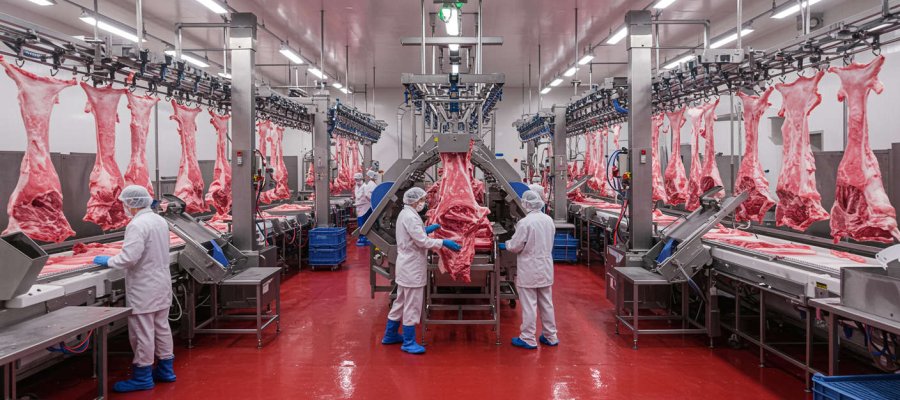
How Automatic Skinning Systems Reduce Labor Costs
How automatic skinning systems reduce labor costs with faster workflow, cleaner processing, and reliable cattle skinning equipment performance.

25 March, 08:03
In a busy beef line, labor cost is rarely shaped by one task alone. It grows through repeated knife work, stop-and-start movement, extra corrections, and long cleaning routines at the end of the shift. A well-matched automatic skinning machine changes that rhythm in a practical way. Once the first cuts are made, the hide can be removed with a steadier pull, which reduces repeated hand contact and limits the amount of manual effort needed at each carcass.
Guidance for high-throughput plants notes that automatic hide pullers are used on hanging carcasses and that automation reduces contamination because there is less carcass handling and less use of knives.
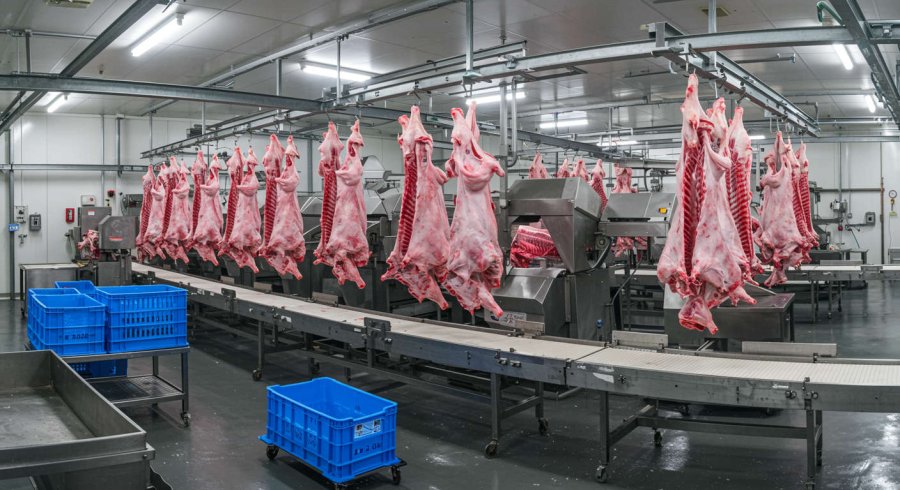
How A Slaughterhouse Skinning System Reduces Rework
Rework is one of the easiest ways for labor cost to climb without being noticed right away. When hide removal is uneven, teams spend more time correcting cut lines, trimming small defects, and dealing with avoidable hygiene issues later in the line. A slaughterhouse skinning system supports a more predictable sequence from one carcass to the next, which makes staffing easier and keeps the day from feeling heavier than it needs to.
Technical slaughter guidance stresses that the outer side of the hide must never touch the skinned carcass surface, which is one reason controlled hide removal matters so much in real production.
Where Cattle Skinning Equipment Creates Daily Savings
The most useful savings often come from simple improvements that repeat all day long. Good cattle skinning equipment lowers the need for forceful pulling, awkward repositioning, and constant knife adjustments. That matters for quality, though it also matters for people. In red meat processing, manual handling injuries are a major issue, and official guidance describes hazardous work as lifting, pulling, repetitive movement, and sustained force.
When more of the hide removal task is handled mechanically, teams face fewer physically demanding motions and can work with a steadier pace through the shift. That kind of support can make labor planning more realistic over time.
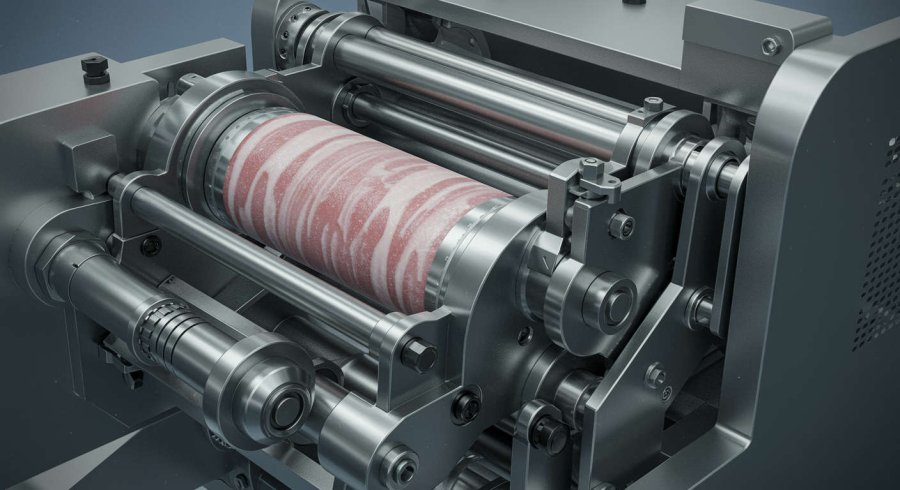
What Buyers Should Check Before Choosing A System
A strong setup is not defined by size alone. It is defined by how comfortably it fits the line, the team, and the cleaning routine. When comparing options, these details often make the difference:
-
stable pulling action that keeps hide removal consistent
-
easy access for washdown and inspection
-
stainless contact surfaces that stand up to repeated cleaning
-
smooth construction with fewer hard-to-reach dirt traps
-
layout compatibility with rails, platforms, and surrounding stations
-
service access that keeps maintenance time manageable
A slaughterhouse skinning system works best when it blends into the line and reduces small delays instead of creating new ones. Sanitary design guidance for meat and poultry equipment consistently favors corrosion-resistant materials and construction that is accessible for cleaning, maintenance, and inspection.
How An Automatic Skinning Machine Supports Hygiene And Time Control
Labor cost is shaped by hygiene more than many facilities expect. When hide removal creates extra contact, scattered debris, or awkward cleanup, the team spends more time restoring order before the next production cycle. A reliable automatic skinning machine supports a cleaner flow because the carcass stays on rails and the hide is pulled in a more controlled path.
Guidance for dressing operations explains that mechanical hide pullers remove the hide after initial manual skinning, that carcasses can be conveyed on rails instead of cradles, and that less manual handling improves carcass hygiene. When hygiene is easier to protect during the process, less time is lost later to cleanup and correction.
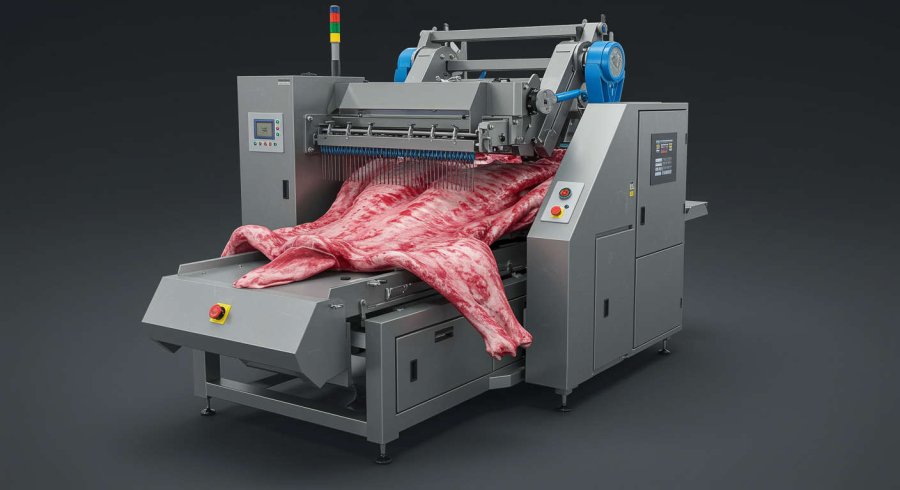
Why The Right Cattle Skinning Equipment Adds Long-Term Value
A purchasing decision feels stronger when the benefit is easy to see on the floor. The right cattle skinning equipment does not just move hides faster. It makes staffing more balanced, reduces fatigue, and helps supervisors run a more stable line with fewer interruptions. In larger plants, an automatic skinning machine can be part of a broader labor strategy because it cuts down on repeated manual handling while keeping the process more consistent from carcass to carcass.
Cattle skinning equipment becomes even more valuable when the goal is steady throughput without pushing the team harder each month. In practical terms, that is where cost reduction becomes real. It shows up in smoother flow, less rework, shorter cleaning routines, and a line that feels easier to manage with confidence.