


How Carcass Conveying Systems Affect Meat Quality
Learn how a carcass conveyor system protects meat quality through cleaner flow, safer handling, and steady meat processing conveyor use.

25 March, 07:03
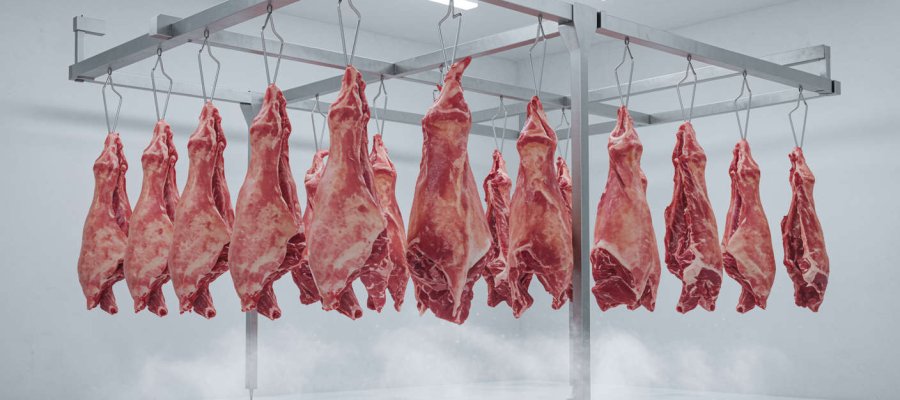
Meat quality is shaped by more than cutting and chilling. The way a carcass moves through the line also changes what happens to cleanliness, surface condition, and temperature control. A well-planned carcass conveyor system keeps product suspended, evenly spaced, and moving forward without unnecessary stops.
That simple flow reduces extra handling and gives the team a steadier rhythm through dressing, inspection, and transfer. In daily production, a good slaughterhouse conveyor system often feels less crowded and easier to trust because the line stays organized from one station to the next.
How Overhead Movement Protects Cleanliness
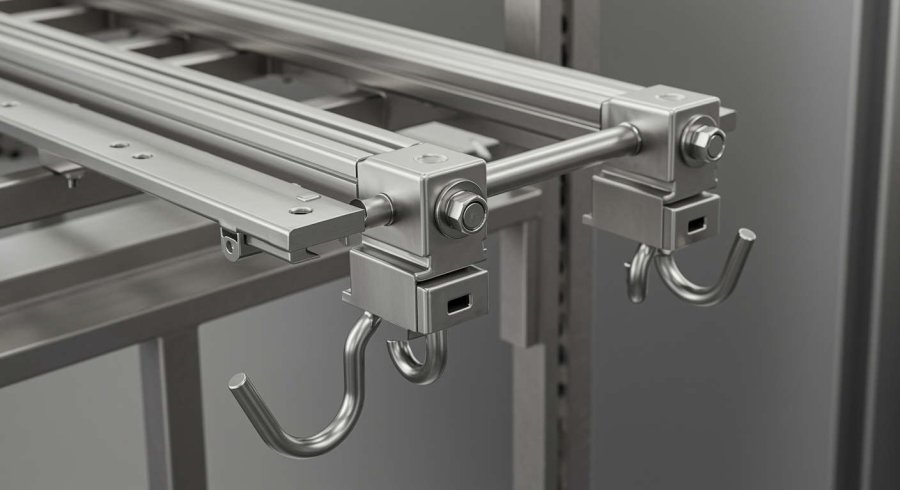
Once a carcass is lifted and moved on overhead rails, the chance of contact with people, cradles, and nearby carcasses becomes easier to control. Guidance for slaughter operations explains that moving overhead rails improve hygiene by reducing contact with operators, equipment, and other carcasses when spacing is consistent.
Clean transfer matters because every avoidable touch point can affect the outer surface of the product. A well-matched meat processing conveyor supports that cleaner path by keeping movement smooth rather than forcing repeated manual correction. For processors, that usually means fewer small disruptions and a more comfortable pace on the floor.
Why Spacing And Clearance Matter More Than They Seem
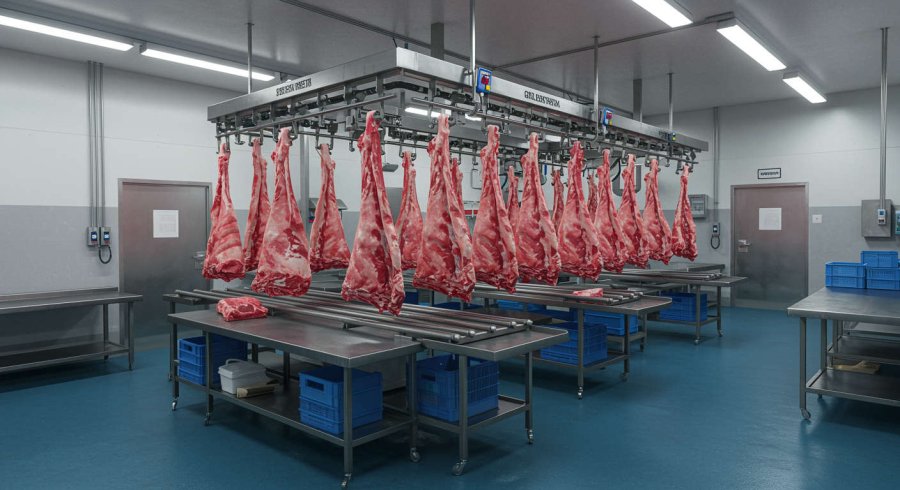
Quality problems do not always start with a major mistake. Sometimes they come from small touches against a wall, a poorly placed support, or carcasses moving too close together in a narrow section of the line. Slaughter guidance says rails should be high enough to keep meat from touching the floor and far enough from walls and fixed objects to avoid contact.
Other facility guidance adds that conveyors and rails should be positioned so carcases stay clear of floors, walls, and other potentially dirty surfaces, while the line should keep moving progressively to avoid cross-contamination. A reliable carcass conveyor system helps protect appearance and hygiene because it gives the carcass room to move without rubbing against the environment around it.
How Conveyor Flow Supports Better Chilling Results
The handoff from slaughter to chilling is one of the most sensitive moments in the plant. If the line slows down, bunches up, or creates extra contact, product quality can suffer before the chill room has done its job. During chilling, contamination can occur when carcasses touch each other, dirty floors, or walls.
Chilling rate also affects meat quality, chill loss, shelf life, microbial safety, color, and drip loss. That is why a well-designed meat processing conveyor is not just a transport tool. It supports the cold chain by helping carcasses arrive at chilling in a cleaner, more orderly way. A stable slaughterhouse conveyor system makes that transition easier because product keeps moving with fewer awkward pauses and fewer opportunities for accidental contact.
What Buyers Should Check Before Choosing A System
A strong carcass conveyor system keeps product moving with less friction around the line. A dependable meat processing conveyor also gives sanitation crews better access and reduces the number of hard-to-clean trouble spots that slow the end of a shift. Equipment guidance consistently links cleanable layouts and accessible installation to better hygiene and easier maintenance, which is exactly what most facilities need from an investment that has to perform every day.
Why Better Conveying Creates More Consistent Output
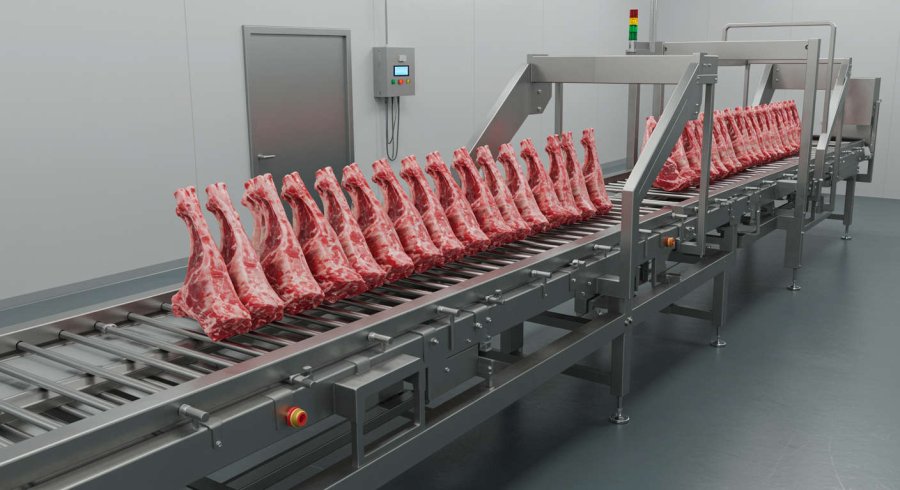
Consistency is where quality becomes visible. When carcasses move through the same path at the same pace, teams can work with more confidence and fewer rushed corrections. That helps inspection feel more controlled, chilling starts on time, and surface handling stays cleaner from one carcass to the next. Guidance for slaughter and dressing emphasizes progressive line flow, separation after hide removal, hygienic transfer into clean areas, and overhead movement that improves cleanliness and efficiency.
In practical terms, the right carcass conveyor system supports better meat quality because it reduces unnecessary contact, protects flow, and makes each step feel more settled. For processors looking at long-term value, that kind of steady performance is often what matters most.