


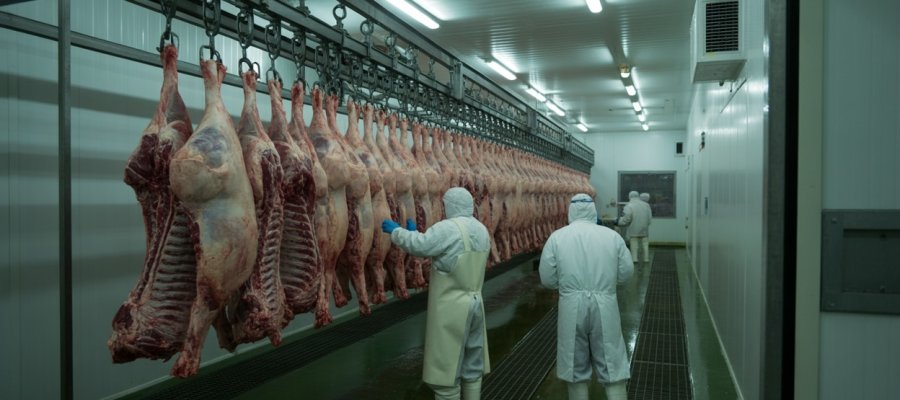
How Do Cold Rooms and Twin Rail Systems Affect Meat Quality
Cold rooms, twin rail systems, and carcass chilling technologies play a critical role in meat quality, safety, texture, and shelf life.

26 December, 08:12
In modern meat production, quality is no longer defined solely by taste or appearance. Today, it is shaped by a complex interaction of temperature control, hygiene engineering, logistics flow, and post-slaughter handling technologies. Among these, cold rooms, twin rail systems, and advanced carcass chilling systems play a decisive role in determining not only shelf life, but also texture, safety, and overall consumer trust.
Meat Quality Starts Before the Knife
One of the most misunderstood aspects of meat quality is that it is largely determined before the meat reaches the cold room. What happens on the farm and during transport plays a crucial role in the final product. Stress levels in animals, processing speed, and physical handling directly affect pH levels, water retention, and tenderness. When animals experience high stress before slaughter, their muscles deplete glycogen reserves, resulting in elevated pH levels that compromise color, texture, and shelf life.
However, even perfectly handled carcasses can lose quality rapidly if post-slaughter systems are poorly designed. Temperature control, air circulation, and chilling rates must be carefully managed to prevent cold shortening or excessive moisture loss. This is where cold room meat processing becomes a critical control point rather than a simple storage step. Proper cold room management ensures that all the careful pre-slaughter handling translates into consistent, high-quality meat products that meet consumer expectations.
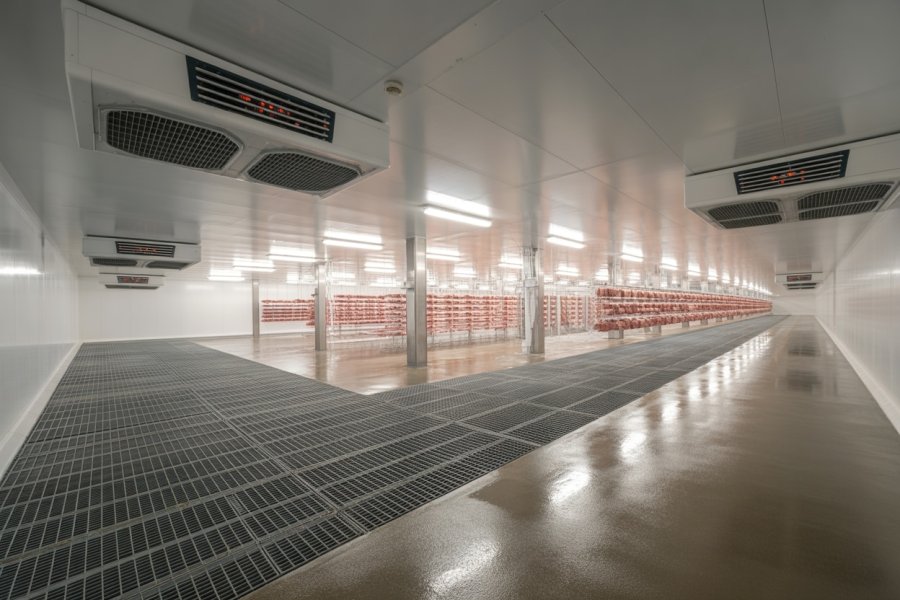
Cold Room Meat Processing: More Than Just Low Temperature
At first glance, cold rooms appear to serve a single purpose: lowering temperature. In reality, their impact is far more nuanced.
Controlled Cooling and Muscle Biology
After slaughter, muscles enter rigor mortis, a critical phase where proper temperature management becomes essential for meat quality. If cooling happens too fast or too slow, it can lead to significant problems that affect both texture and profitability. Rapid chilling can cause cold shortening, which causes tough meat as muscle fibers contract excessively before rigor is complete. Conversely, insufficient cooling results in excessive drip loss, reducing yield and creating financial losses for processors.
Additionally, inconsistent temperature distribution leads to uneven aging across the carcass, producing variable meat quality. Modern cold room meat processing facilities use precise airflow design, humidity regulation, and staged cooling profiles to address these challenges. This allows muscles to transition naturally through rigor while preserving protein integrity and moisture balance, ensuring optimal tenderness and maximum water retention. These controlled environments represent the intersection of muscle biology understanding and engineering precision in contemporary meat processing.
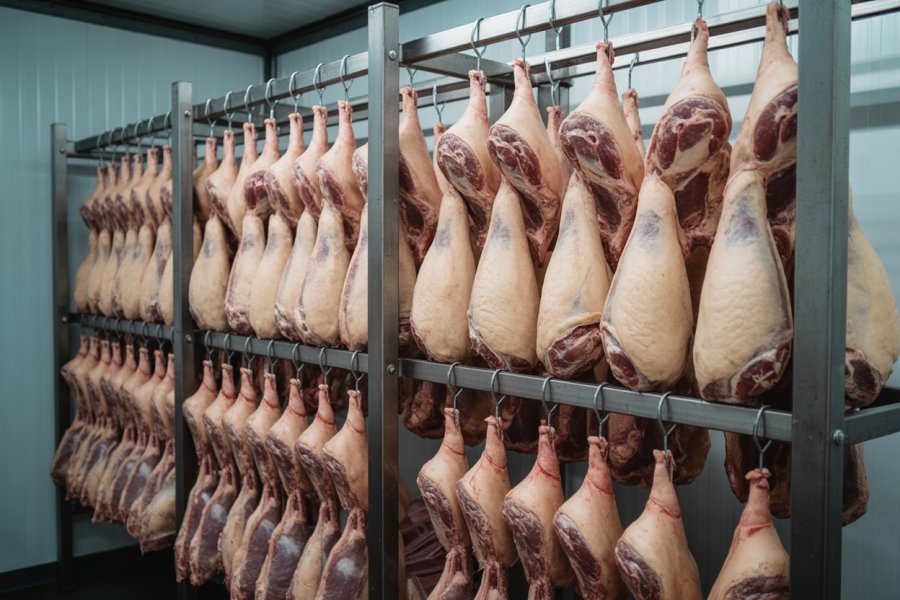
Hygiene and Cross-Contamination Control
Cold rooms play a vital role in hygiene and cross-contamination control within food processing facilities. These temperature-controlled environments also act as hygienic buffers, creating essential barriers between different operational zones. When properly zoned, they separate clean and semi-clean operations, effectively reducing airborne bacterial migration that could compromise product safety. While temperature stability is crucial as it slows microbial growth, maintaining consistent cold conditions alone is insufficient for comprehensive contamination control. The airflow direction and condensation management are equally critical—and often overlooked—factors in preventing cross-contamination. Proper airflow design ensures that air moves from cleaner to less clean areas, never in reverse. Similarly, effective condensation control prevents water droplets from becoming vehicles for bacterial transfer, protecting products from potential contamination sources that could otherwise thrive in moisture-rich environments.
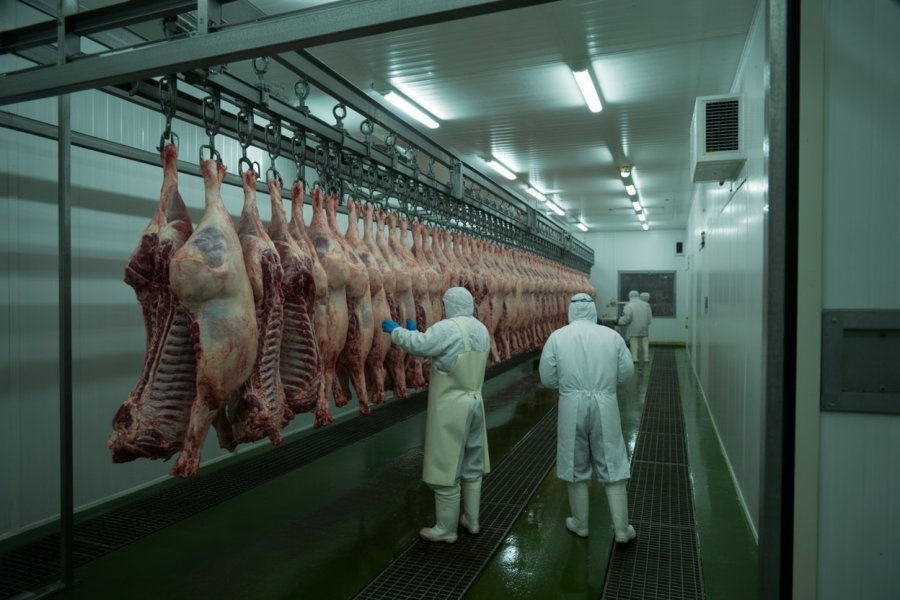
Twin Rail System Slaughterhouse Design: Quality Through Movement Control
The twin rail system slaughterhouse concept is not just about capacity or speed. It directly influences meat quality by controlling how carcasses move, rest, and cool.
Reduced Physical Stress on Carcasses
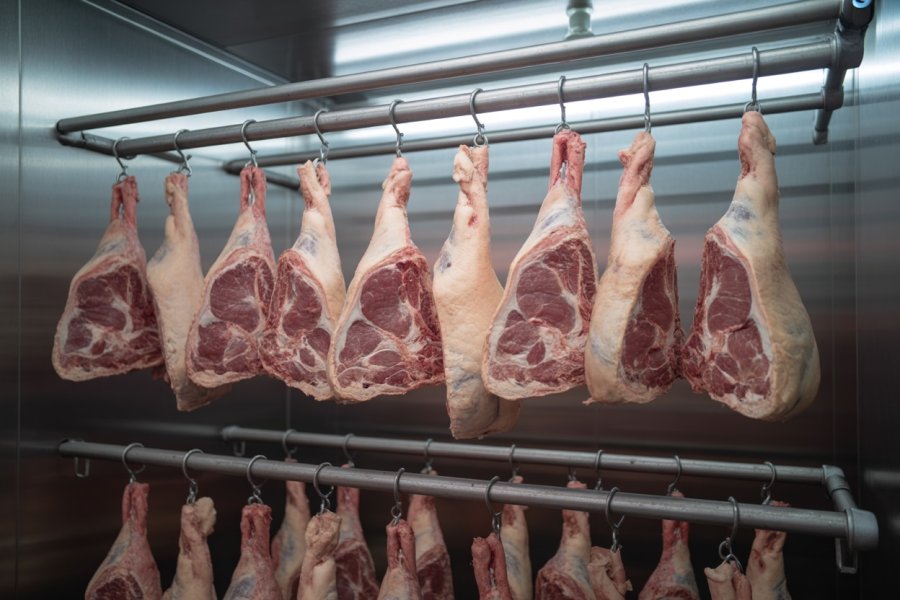
Unlike single-rail systems, twin rail configurations allow for parallel processing streams, reduced congestion, and more stable hanging positions throughout the production line. This minimizes physical deformation of the carcass, effectively protecting muscle structure and preventing pressure-induced quality defects. The improved stability ensures that carcasses maintain their natural form during processing, resulting in superior meat quality and reduced economic losses from damaged products.
Synchronization With Chilling Phases
Twin rail systems allow processors to synchronize carcass movement with chilling stages. Instead of rushing carcasses into cold rooms at inconsistent intervals, the flow remains balanced. This consistency leads to uniform temperature penetration, ensuring that each carcass cools at the same controlled rate throughout its mass. Additionally, it promotes predictable aging behavior and standardized final product quality, giving meat processors reliable results batch after batch. Proper synchronization with chilling phases ultimately reduces waste and improves overall processing efficiency.