


Hydraulic Hide Puller or Mechanical Hide Puller Which Is Better
Hydraulic vs mechanical hide puller comparison explaining efficiency, yield, maintenance, and scalability to help slaughterhouses choose the right system.

08 January, 07:01
In modern slaughterhouses and meat processing facilities, efficiency, consistency, and animal welfare standards are no longer optional—they are fundamental. One of the most critical steps affecting all three is the hide removal process. Choosing between a hydraulic hide puller and a mechanical hide puller can significantly influence productivity, maintenance costs, and final carcass quality.
Understanding Hide Puller Technology in Practice
Hide pullers are not just machines; they are workflow enablers. In modern meat processing facilities, these sophisticated systems do far more than simply remove animal hides from carcasses. They serve as critical integration points that can either optimize or bottleneck your entire production line. The right system integrates smoothly with your line speed, workforce skill level, and hygiene standards. When properly selected and implemented, hide pullers adapt to your existing operations rather than forcing you to adapt to them. They accommodate varying operator expertise levels while maintaining consistent output quality and meeting stringent sanitation requirements.
Understanding the differences between mechanical and hydraulic hide pulling systems is essential for making informed equipment decisions. While both systems aim to remove hides efficiently and cleanly, their internal logic—and impact on daily operations—differs substantially. These differences affect maintenance schedules, energy consumption, operator training needs, and ultimate throughput capacity, making technology selection a strategic decision rather than a simple equipment purchase.

Hydraulic Hide Puller
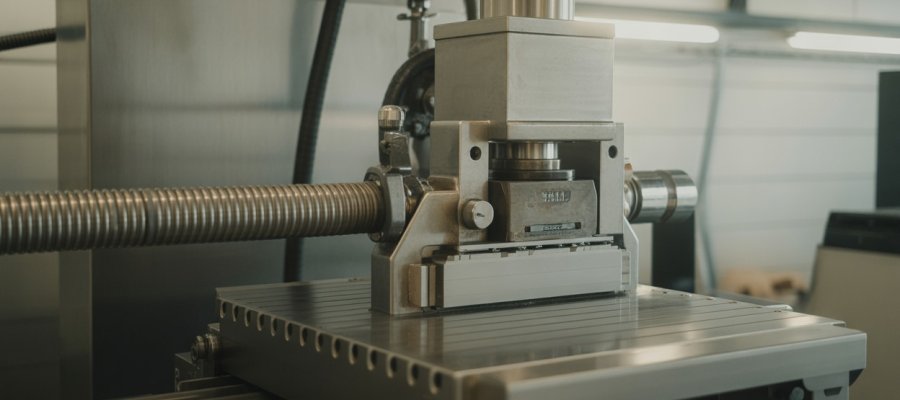
A hydraulic hide puller operates using pressurized hydraulic systems to generate controlled, consistent pulling force. What sets it apart is not just raw power, but how that power is delivered. The mechanism allows operators to safely remove animal hides during processing with precision and efficiency. Unlike manual methods, hydraulic systems maintain steady tension, reducing hide damage and worker fatigue. This equipment has revolutionized leather processing facilities, ensuring higher quality outputs while improving workplace safety standards.
Operational Strengths That Matter
Hydraulic systems automatically adjust pressure, reducing hide tearing and minimizing damage to the carcass. This automation ensures consistent processing quality while protecting valuable product integrity throughout operations. Ideal for high-throughput facilities where line speed must remain stable throughout long shifts, these systems maintain performance under demanding conditions. Their robust design supports continuous operation without compromising efficiency or safety standards. Once calibrated, the system delivers repeatable results with minimal manual intervention, allowing operators to focus on quality control rather than constant adjustments. This reliability translates to reduced labor costs and improved overall productivity.
Hidden Advantages Often Ignored
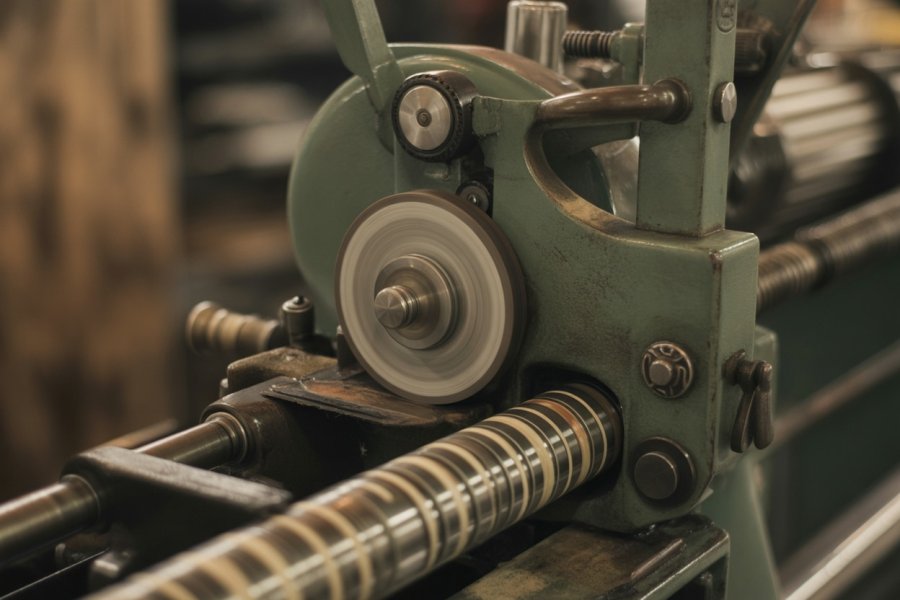
Hydraulic systems tend to perform better in facilities processing variable livestock sizes. Many operators overlook this crucial capability when selecting equipment. The ability to fine-tune pressure ensures uniform hide removal regardless of animal weight or breed—an often underestimated benefit. This flexibility translates to consistent product quality and reduced waste across diverse processing operations. Traditional mechanical systems struggle with such variation, leading to inefficiencies and inconsistent results. Investment in hydraulic technology pays dividends through improved adaptability and operational reliability in modern meat processing plants.
Mechanical Hide Puller: Simplicity and Control
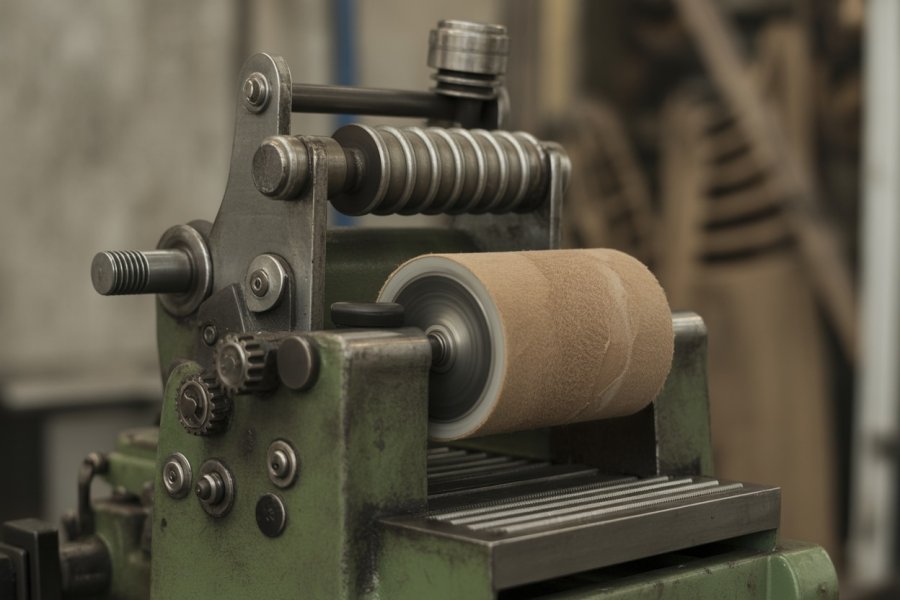
A mechanical hide puller relies on motors, gears, chains, or winch-based mechanisms to physically pull the hide. Its appeal lies in its straightforward design and mechanical transparency. Operators appreciate the direct control these systems provide, allowing for precise adjustments during the pulling process. The visible mechanical components make troubleshooting and maintenance relatively simple, reducing downtime in processing facilities. Unlike hydraulic systems, mechanical pullers eliminate concerns about fluid leaks or pressure fluctuations. This reliability makes them a preferred choice for smaller operations seeking dependable, cost-effective hide removal solutions.
Where Mechanical Systems Excel
Mechanical systems excel in several key areas that make them appealing for many drilling operations. Their ease of maintenance stands out, requiring no hydraulic fluids, fewer seals, and simpler troubleshooting procedures. The lower initial cost makes these systems particularly attractive for small to mid-sized operations with limited capital budgets. Additionally, direct operator control allows skilled operators to manually adjust pulling behavior in real time, providing hands-on precision. These advantages combine to create a reliable, cost-effective solution that many drilling contractors continue to favor, especially in operations where simplicity and operator expertise are valued over automation.
Mechanical systems often struggle with consistency under fluctuating loads. Sudden force changes can lead to hide damage or incomplete removal, especially at higher line speeds. That said, in facilities with stable livestock profiles and experienced operators, mechanical systems remain a viable and dependable choice.