


Robotic Slaughterhouse Systems Overview
Robotic slaughterhouse systems improve precision, welfare, and efficiency through advanced automation, data intelligence, and AI-driven slaughter line technologies.

26 December, 08:12
The global meat processing industry is undergoing a profound technological transformation. As labor shortages intensify, regulatory scrutiny increases, and sustainability expectations rise, robotic slaughterhouse systems are no longer a futuristic concept—they are becoming a strategic necessity. This shift is not simply about replacing human labor with machines; it is about redefining accuracy, consistency, animal welfare, and data-driven decision-making across the entire slaughtering process.
The Evolution from Mechanization to Cognitive Automation
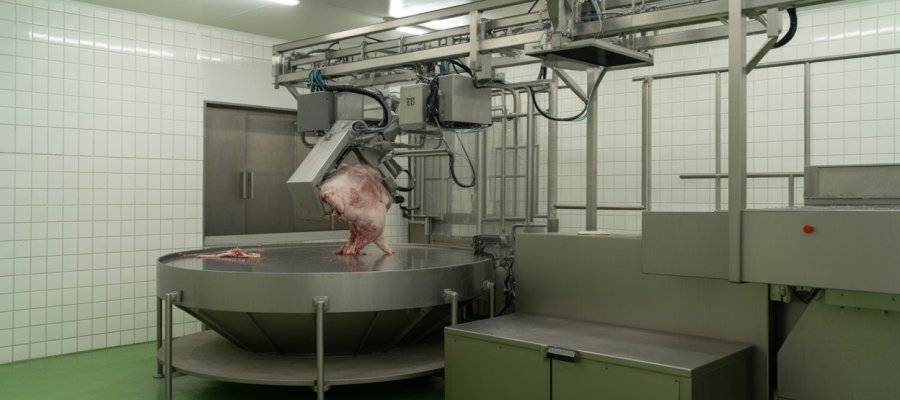
Traditional slaughterhouse mechanization focused on speed and physical efficiency. These early systems replaced manual labor with mechanical processes but operated within fixed parameters. Today's robotic solutions go several layers deeper. Modern automated slaughterhouse equipment integrates machine vision, adaptive robotics, and real-time analytics to make decisions once dependent on human judgment. These advanced systems can adjust cutting angles based on carcass morphology, detect anatomical landmarks with sub-millimeter accuracy, and self-calibrate to different species, sizes, and breeds.
Additionally, they log operational data for compliance and optimization, creating comprehensive records that improve both safety and performance. This transition marks a move from rigid automation to cognitive processing environments, where machines learn, adapt, and continuously improve. Rather than simply repeating programmed movements, these intelligent systems analyze each carcass individually, making real-time adjustments that maximize yield while maintaining quality standards and worker safety.
Inside a Robotic Slaughter Line: More Than Linear Automation
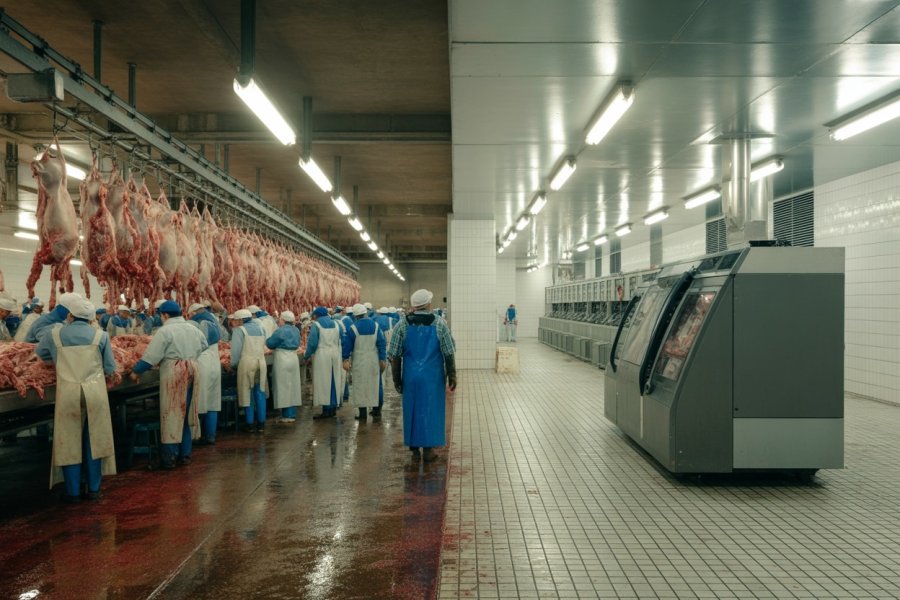
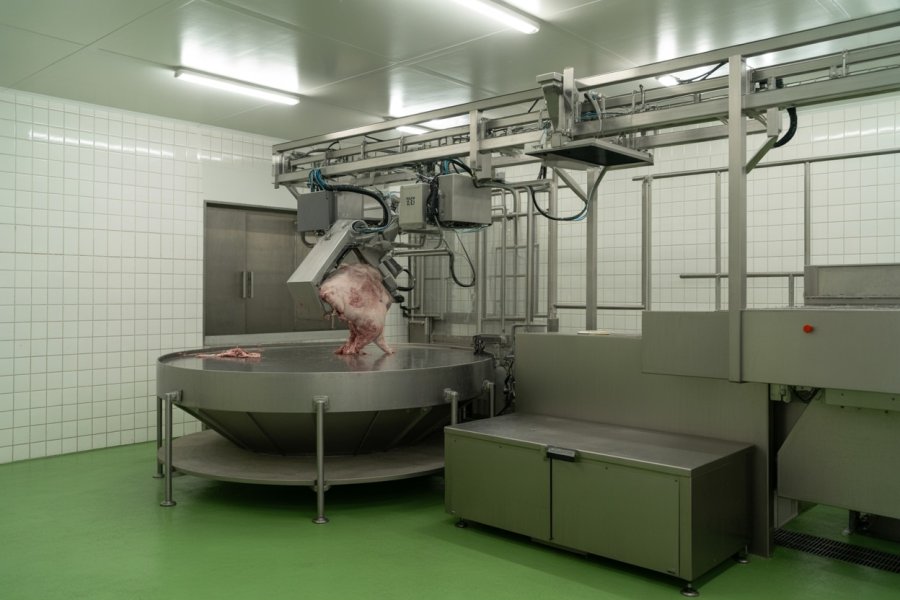
A modern robotic slaughter line is not merely a sequence of machines performing isolated tasks. It functions as an interconnected ecosystem where each robotic unit communicates with upstream and downstream processes. Advanced technologies include 3D vision systems for anatomical recognition, enabling precise identification of cutting points on different animal sizes and shapes. Force-sensitive robotic arms ensure humane handling throughout the process, while AI-powered decision engines adapt workflows in real time based on continuous data analysis.
The system also employs digital twins for simulating performance before physical execution, allowing operators to optimize processes virtually before implementation. This sophisticated orchestration allows slaughterhouses to maintain high throughput without compromising precision or welfare standards—an issue that manual operations often struggle to balance. The result is a more efficient, consistent, and ethically responsible processing environment.
Precision as a New Standard for Animal Welfare
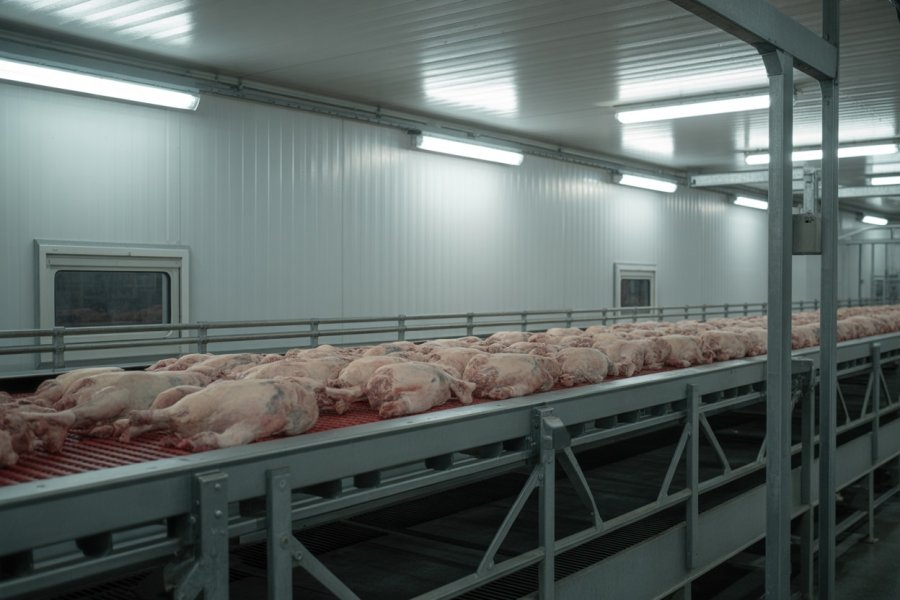
One of the most significant yet under-discussed advantages of robotic slaughterhouse systems is their impact on animal welfare. Human fatigue, stress, and inconsistency are variables that robotics eliminate. Advanced automated systems deliver consistent stunning accuracy, ensuring humane treatment at the most critical moment of processing. These precision-driven technologies reduce handling time and unnecessary movement, which directly minimizes stress-induced biochemical reactions in meat.
Additionally, robotic systems ensure compliance with strict international welfare regulations, providing documented proof of adherence to ethical standards. Rather than framing automation as purely industrial, many operators now recognize robotics as a welfare-enhancing technology that aligns ethical responsibility with operational excellence. This paradigm shift represents a meaningful step forward in creating processing environments where precision becomes synonymous with compassion.
Data Is the New Byproduct of Slaughterhouses
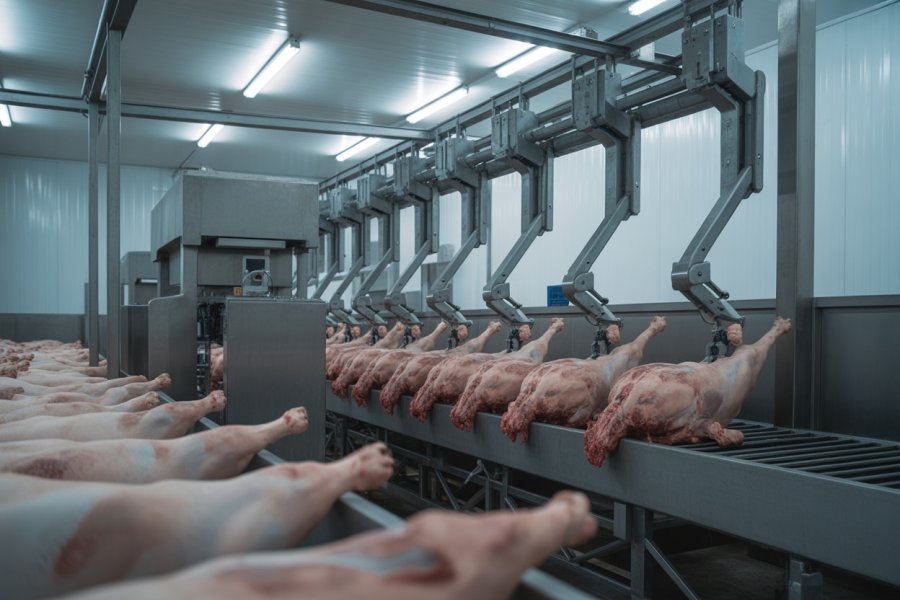
Beyond meat processing, robotic systems generate vast volumes of structured data. Every movement, cut, and decision is logged. This data becomes a strategic asset. Modern slaughterhouses are transforming into intelligent facilities where information flows as abundantly as the products themselves. The continuous stream of operational data enables facilities to identify yield loss points at a granular level, pinpointing exactly where inefficiencies occur in the production chain.
Additionally, these systems can predict maintenance needs before failures occur, significantly reducing costly downtime and equipment breakdowns. Facilities also leverage this information to optimize energy and water consumption, reducing environmental impact while cutting operational costs. Furthermore, comprehensive data collection allows companies to demonstrate transparent compliance to auditors and regulators with unprecedented ease and accuracy. In this context, slaughterhouses evolve into data-centric production facilities, not just processing plants. This paradigm shift represents the future of meat processing, where data-driven decisions enhance efficiency, sustainability, and accountability throughout operations.
Addressing Labor Challenges Through Robotics
The industry-wide shortage of skilled slaughterhouse labor is a persistent challenge that threatens operational efficiency and productivity. Robotics does not eliminate human roles; it redefines them, shifting workers from physically demanding and hazardous tasks to more strategic positions requiring advanced skills.
Modern automated facilities create opportunities for workers in system supervision and quality control, data interpretation and process optimization, robotics maintenance and calibration, and compliance and safety oversight. These roles demand higher technical competencies but offer improved working conditions and career advancement potential.
A well-designed robotic slaughter line reduces workplace injuries, improves retention, and elevates workforce skill profiles—an often overlooked benefit of automation. By minimizing exposure to repetitive strain injuries and dangerous equipment, companies can build more stable, satisfied teams while simultaneously addressing the critical labor shortage through enhanced efficiency and worker satisfaction.