


What Are Twin Rail Conveyor Systems in Slaughterhouses?
Twin rail conveyor system solutions for cleaner flow, safer handling, and stronger slaughterhouse rail system and carcass rail conveyor performance.

25 March, 08:03
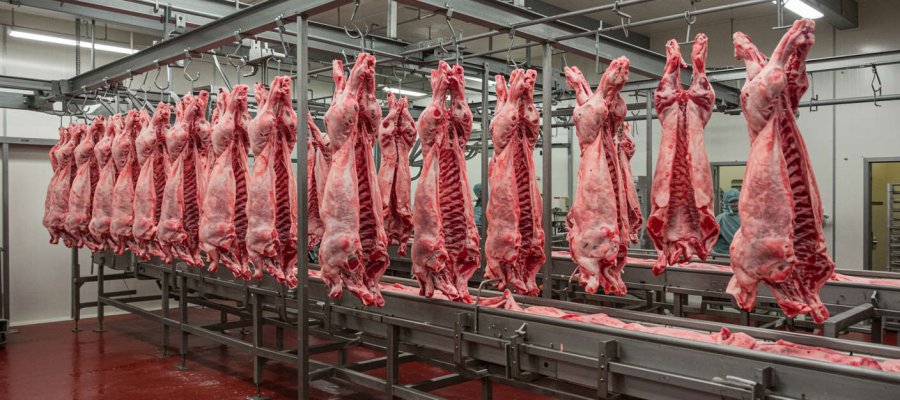
In a busy processing line, product movement affects far more than speed. It shapes hygiene, staff comfort, spacing on the floor, and how smoothly each station connects to the next. A twin rail conveyor system is designed to keep carcasses suspended, balanced, and moving in a more organized path from one stage to another.
In practical terms, that makes daily work feel less crowded and more controlled. A well-planned slaughterhouse rail system also helps reduce unnecessary contact with equipment, walls, and nearby carcasses, which supports cleaner handling from the start of the line. FAO guidance notes that overhead rails improve cleanliness and efficiency, and that moving rails reduce carcass contact with operators, equipment, and other carcasses when spacing is consistent.
What Makes A Twin Rail Conveyor System Different
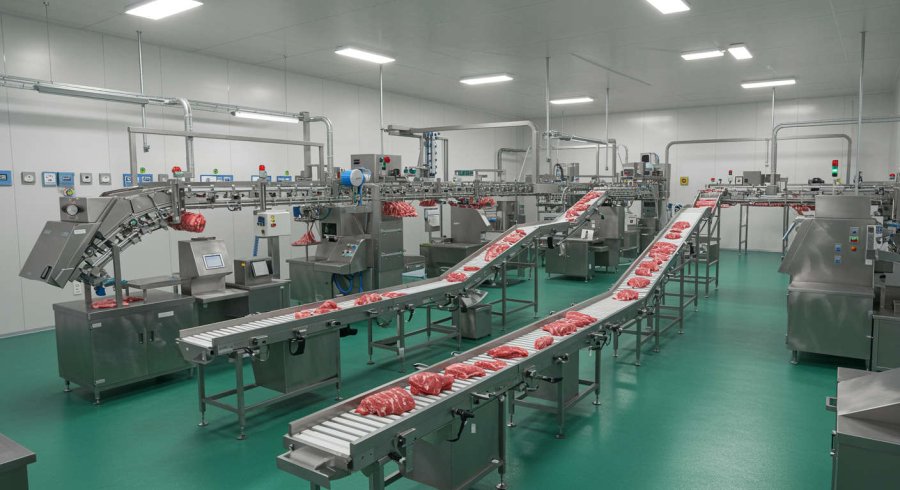
The main difference comes down to support and stability. In a single-track layout, movement depends on one rail path. In a twin rail conveyor system, two parallel rails create a more stable carrying structure, which is useful in plants that handle heavier loads or need a steadier flow through multiple work points. Recent food-industry conveyor guidance describes dual-rail layouts as a configuration that increases stability thanks to two parallel rails.
Industry studies on dual-rail arrangements also show they can support higher throughput and parallel work patterns compared with single-rail options. For plants that want a calmer process and fewer interruptions, that added balance can make a real difference in everyday operation. A stronger slaughterhouse rail system often feels easier to manage because movement stays more predictable from station to station.
How Rail Flow Supports Hygiene And Product Quality
Good transport design protects the product while it is moving, not just when it reaches the next station. When carcasses stay suspended at the right height and away from fixed surfaces, the chance of unwanted contact drops. That is where a carcass rail conveyor becomes valuable. It helps keep the product off the floor, away from obstruction points, and better positioned for inspection, dressing, and transfer.
FAO slaughter guidance states that rails should be high enough to prevent meat from touching the floor and far enough from fixed objects and walls to avoid contact. That kind of clearance may sound like a small detail, though on a real line it supports cleaner presentation and fewer avoidable handling issues.
Which Features Buyers Should Check Before Investing
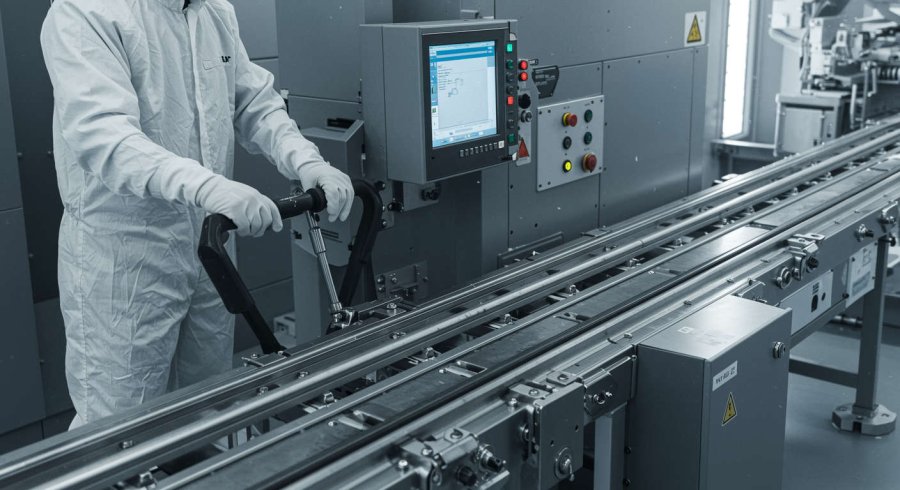
They affect how easy the line is to clean, how confidently the staff can work, and how often the plant loses time to small disruptions. Public facility guidance for meat plants says powered conveyor or gravity flow rails should be spaced far enough apart to prevent carcass contact, and broader slaughter guidance stresses routine cleaning of overhead rails as part of hygienic operation.
Why A Carcass Rail Conveyor Helps Beyond The Kill Floor
The value of rail transport does not end at the main processing area. A carcass rail conveyor also supports cleaner transitions into chilling, storage, and loading zones. When the rail path is standardized across these areas, product can move with less lifting, fewer transfers, and less handling pressure on the team. FAO cold-storage planning guidance recommends overhead rail use for carcass transport and notes that rail standardization makes transfer from cold store to truck easier while eliminating extra handling. For plant managers, that means the line stays connected in a more natural way. For staff, it means fewer awkward movements and a smoother handoff between departments.
Where A Twin Rail Conveyor System Fits Best
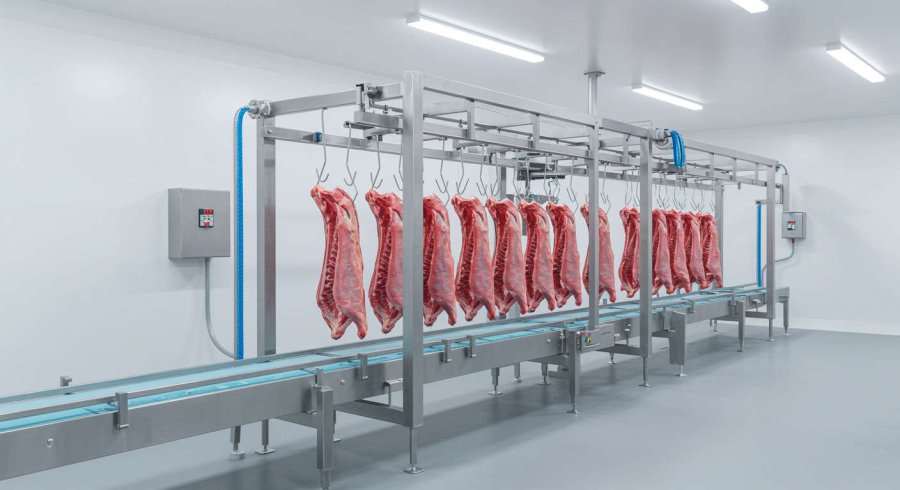
Not every plant needs the same setup, though the benefits become easier to see as throughput rises and the line grows more complex. A twin rail conveyor system is often a strong fit for facilities that want steadier carcass movement, cleaner spacing, and better coordination between processing, chilling, and dispatch. It can also suit operations that need a more stable path for heavier carcasses or a workflow that allows multiple stations to stay in rhythm without crowding.
In that sense, a twin rail conveyor system is not just a transport tool. It becomes part of the plant’s overall working comfort. When movement feels smoother, the team works with more confidence, product handling becomes more consistent, and the whole operation feels easier to trust day after day.