The global meat and poultry industry increasingly demands hygienic, automated, and high-capacity production facilities. A modern mezbahane is no longer just a cutting area; it is an integrated ecosystem combining automation, traceability, food safety, and labor efficiency. Today’s producers rely on intelligent slaughterhouse machines, optimized slaughterhouse layout planning, and a streamlined slaughterhouse system that ensures consistency from live animal reception to final packaging. Companies like Slaughterhouse Technologies design complete turnkey facilities that integrate engineering, equipment, and digital control to help processors reduce waste, improve hygiene standards, and maximize yield.
What Defines a Modern Mezbahane?
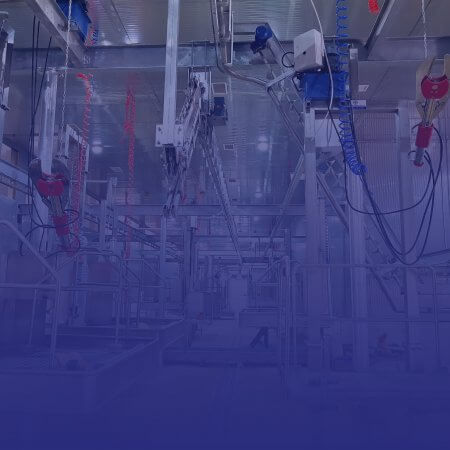
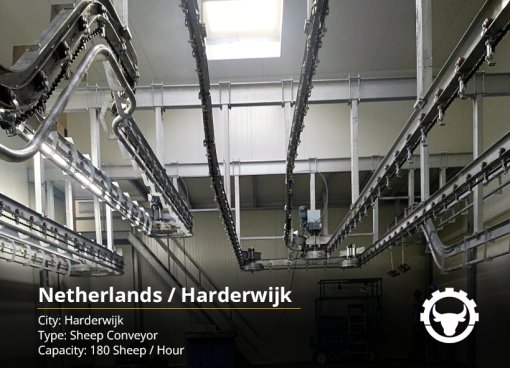
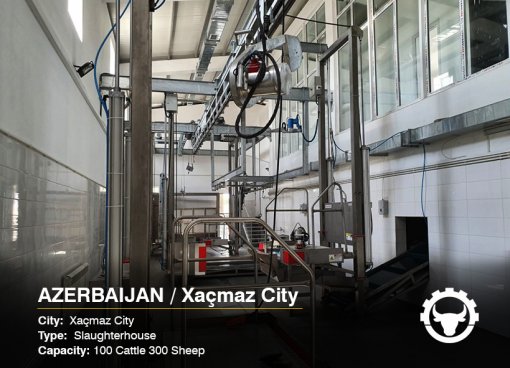
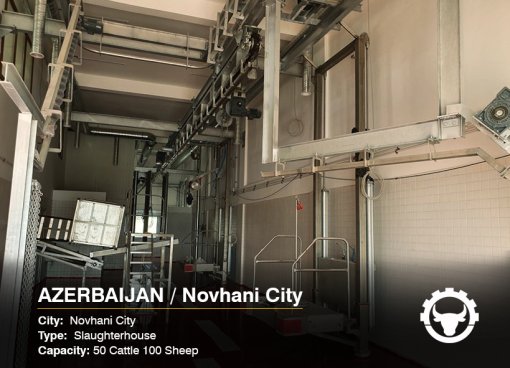
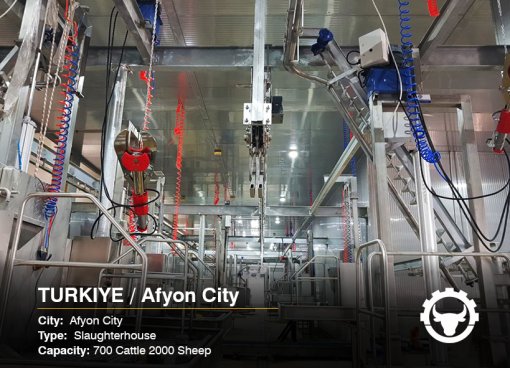
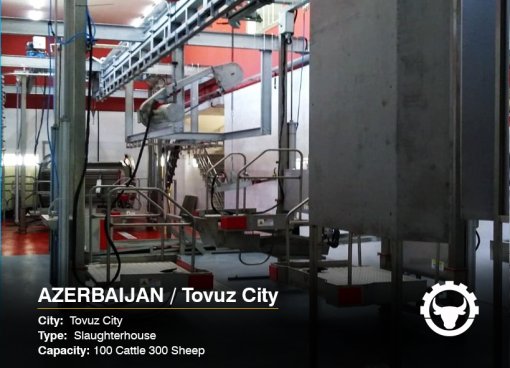
A modern mezbahane is distinguished by its full stainless-steel hygienic design, which ensures superior cleanliness and durability throughout all processing areas. These facilities prioritize automated handling and processing, utilizing advanced machinery to streamline operations from start to finish. By implementing reduced manual contact, modern plants significantly minimize contamination risks while achieving faster throughput to meet growing market demands. Compliance is paramount, with facilities maintaining strict adherence to regulatory compliance (HACCP & EU standards) to ensure food safety and quality. Additionally, contemporary mezbahane operations emphasize energy and water efficiency, incorporating sustainable practices that reduce environmental impact and operational costs. Unlike traditional plants, a modern mezbahane uses synchronized conveyors, sensors, and smart slaughterhouse machines that operate as one connected slaughterhouse system. This approach increases productivity while minimizing contamination risks, creating a safer and more efficient processing environment.
Slaughterhouse Machines: The Core of Automation
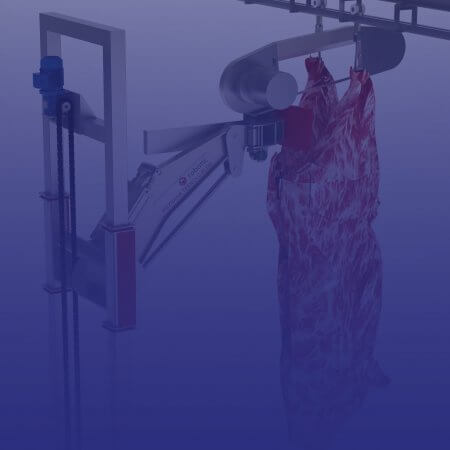
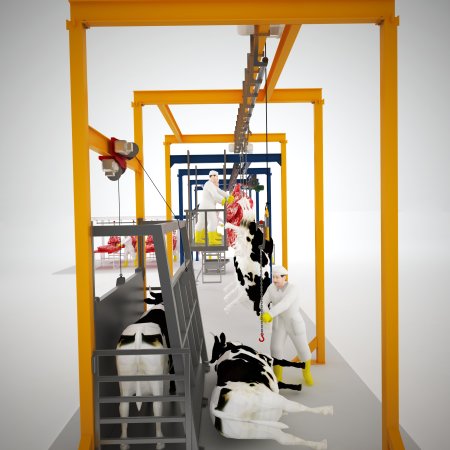
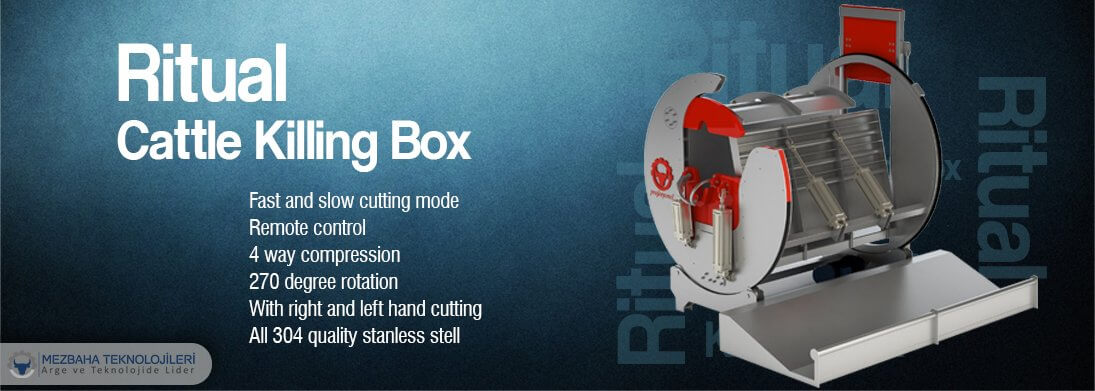
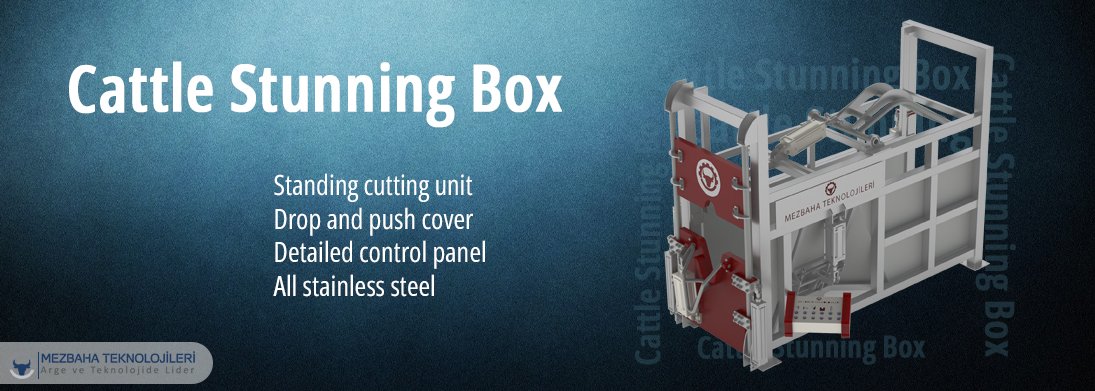
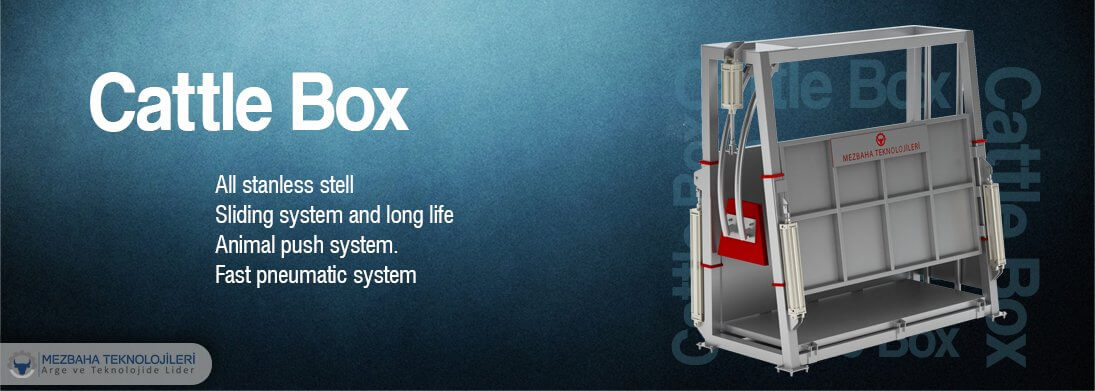
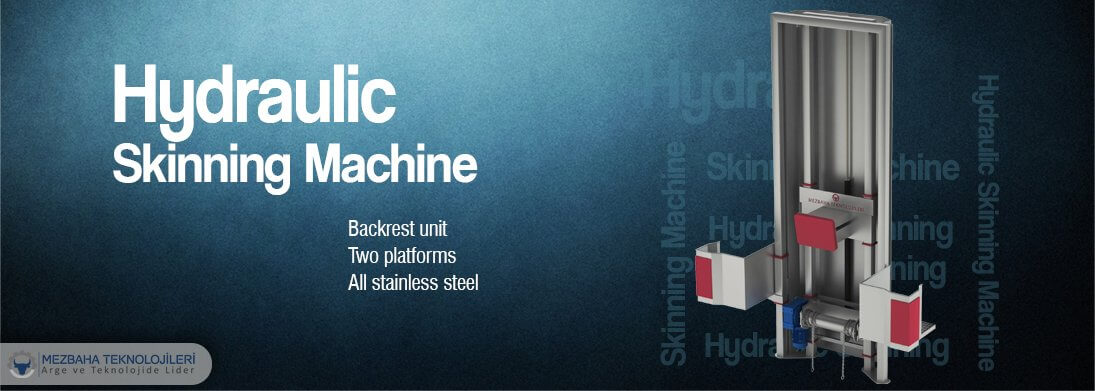
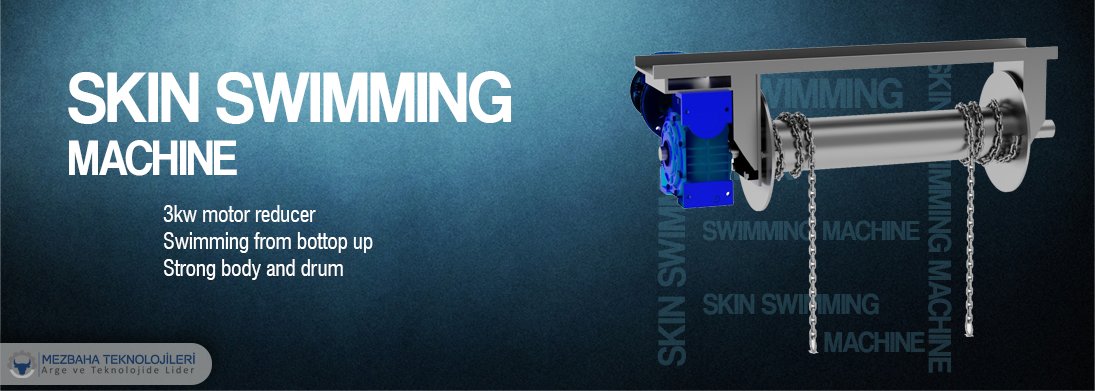
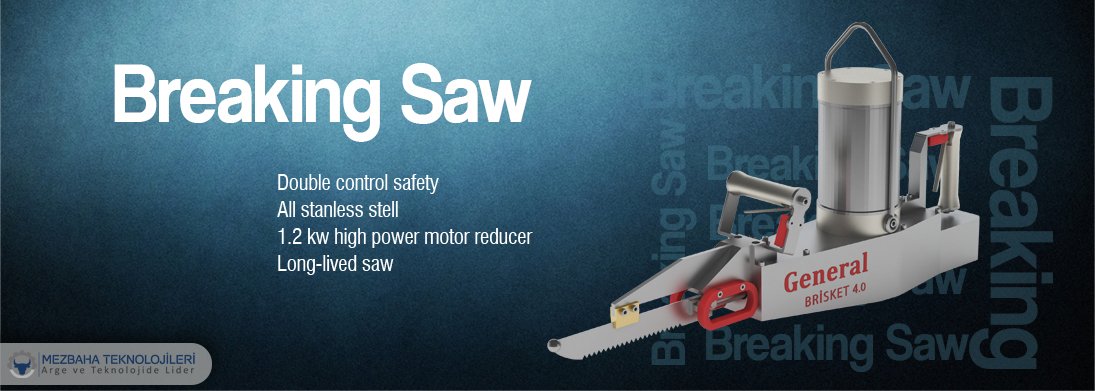
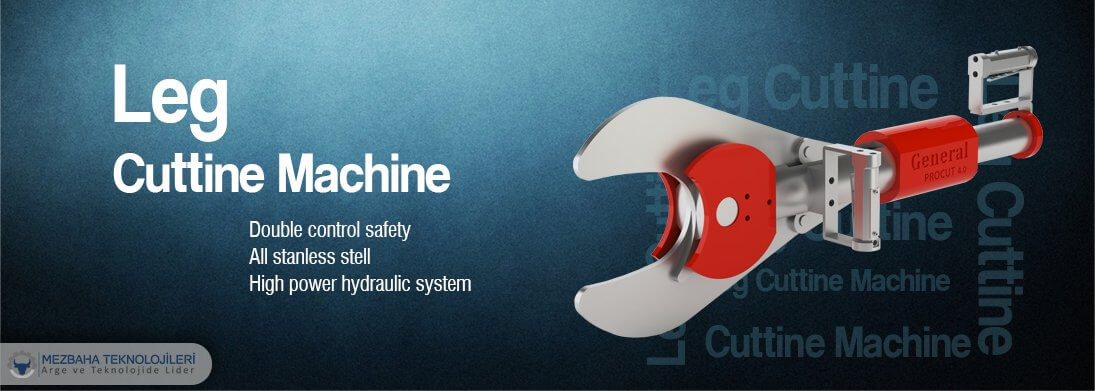
Efficient slaughterhouse machines are essential for speed, safety, and precision. Each stage of processing is supported by specialized equipment designed to maintain consistency and quality throughout the production line. The initial phase employs humane stunning systems and automated bleeding rails to ensure consistent animal welfare standards are maintained. Following this, temperature-controlled scalders, high-capacity defeathering drums, and systems for uniform surface cleaning prepare carcasses for further processing. Advanced operations utilize automatic cutters, organ separation modules, and conveyor-based processing to handle meat with precision. The final stages incorporate air or water chillers, weight grading systems, and automatic packaging machines to ensure product quality and traceability. Modern slaughterhouse machines reduce labor costs, minimize errors, and integrate seamlessly into the plant's slaughterhouse system, improving production flow while meeting stringent hygiene and safety requirements in today's food processing industry.
Slaughterhouse Layout: Smart Design for Maximum Efficiency
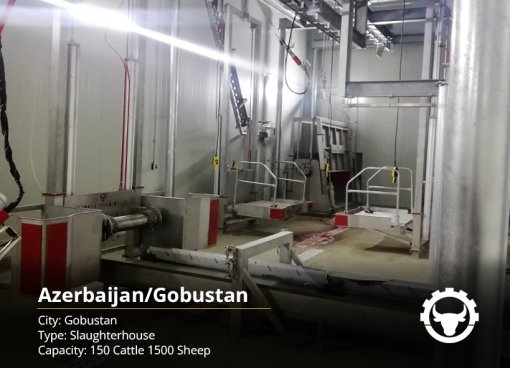
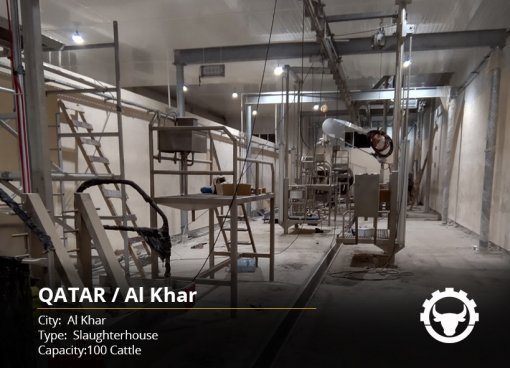
A well-planned slaughterhouse layout directly affects hygiene, speed, and worker safety. Poor planning leads to bottlenecks and cross-contamination, while optimized layouts ensure linear product flow. Key design principles include one-direction product movement, dirty and clean zone separation, minimal backtracking, efficient waste management, and cold chain continuity. An effective slaughterhouse layout also shortens transport distances between slaughterhouse machines, reducing downtime and energy usage. This streamlined approach minimizes handling time and maintains product quality throughout processing stages. For large facilities, a modular slaughterhouse layout allows easy expansion without interrupting production. This flexibility enables operations to scale up capacity or add new processing lines while maintaining existing workflows and meeting growing market demands efficiently.
Turkey Slaughterhouse Process: Step-by-Step Optimization
The turkey slaughterhouse process requires careful control due to bird size, feather density, and hygiene requirements. A standardized Turkey slaughterhouse process ensures uniform quality and minimal product loss. The workflow begins with reception & resting, followed by humane stunning and precise bleeding to ensure proper blood drainage. Next, scalding loosens feathers for efficient defeathering, while maintaining optimal water temperature protects skin integrity. The process continues with careful evisceration to remove internal organs without contamination, followed by thorough washing & inspection to meet food safety standards. Chilling rapidly reduces carcass temperature to prevent bacterial growth, and finally cutting & packaging prepares products for distribution. By integrating dedicated slaughterhouse machines into each phase, the turkey slaughterhouse process becomes faster, cleaner, and more profitable.
Slaughterhouse System Integration
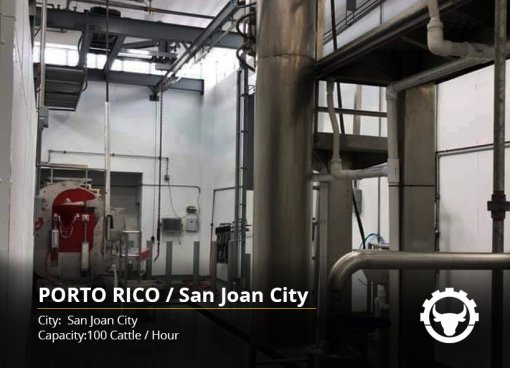
Modern plants rely on a centralized slaughterhouse system that connects conveyors, processing slaughterhouse equipments, quality control sensors, ERP & traceability software, and temperature monitoring into one cohesive network. This integration eliminates bottlenecks and ensures seamless material flow from receiving to final packaging. A digital slaughterhouse system enables real-time tracking of every carcass, ensuring full compliance with international food safety standards. Quality control sensors and temperature monitoring devices continuously validate product integrity, while ERP & traceability software maintains complete documentation for regulatory audits. Data-driven systems also help managers predict maintenance, avoid downtime, and improve efficiency. When designed by experts such as Slaughterhouse Technologies, the entire slaughterhouse system operates as a synchronized production network rather than isolated machines, maximizing throughput and profitability.
The future of meat and poultry processing depends on modernization and automation. By implementing high-performance slaughterhouse machines, a strategic slaughterhouse layout, and a fully integrated slaughterhouse system, processors can achieve safer, faster, and more profitable operations. Whether designing a facility from scratch or upgrading an existing modern mezbahane, investing in a structured turkey slaughterhouse process and smart engineering ensures long-term success in the global food industry. If your goal is efficiency, hygiene, and scalability, modern slaughterhouse technologies are not optional—they are essential.







 GERMANY
 BELGIUM
 RUSSIA
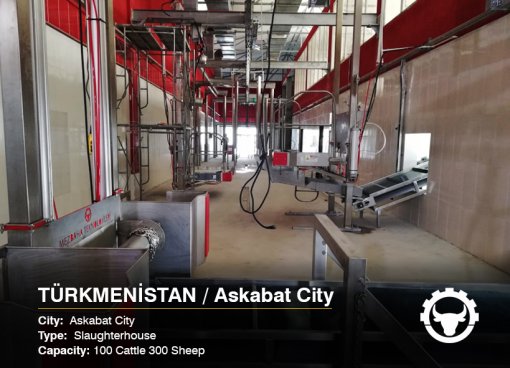
 TURKMENISTAN
 KAZAKHISTAN
 ARABIA
 MACEDONIA
 AZERBAIJAN
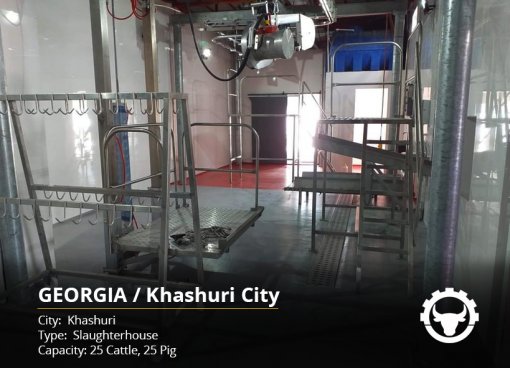
 GEORGIA
 TUNISIAN
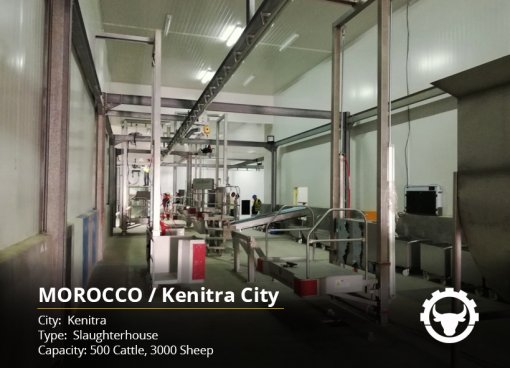
 MOROCCO