Cattle Slaughter Line Conveyor and Rail Systems: Safe Carcass Transport in Modern Slaughterhouses
Cattle slaughter line conveyor and rail systems are designed to transport carcasses safely, hygienically and efficiently between processing stations. Stainless steel overhead rails, automated conveyors and ergonomic work platforms help improve production flow, reduce manual handling and support high hygiene standards in modern slaughterhouses.
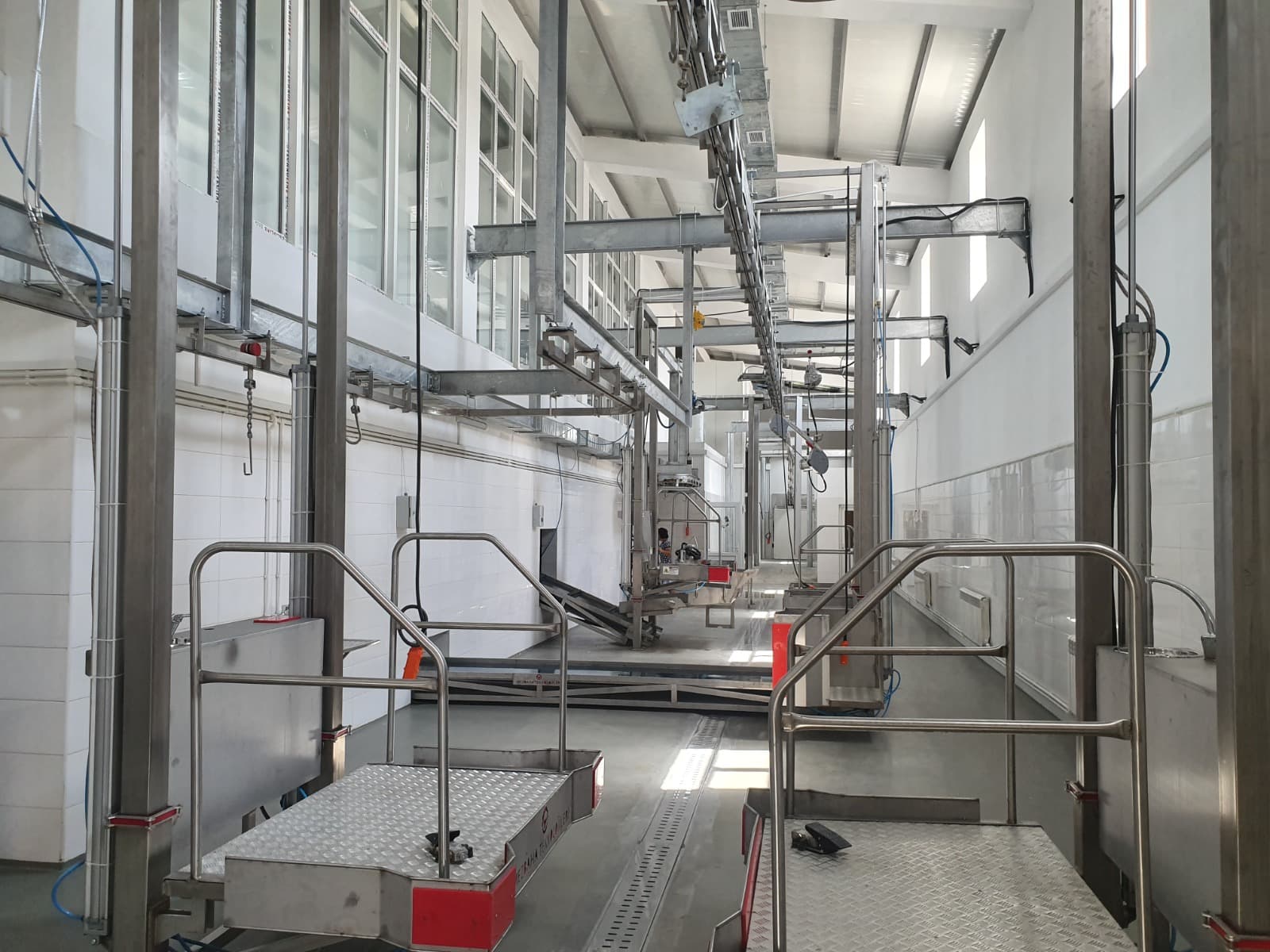
What Are Cattle Slaughter Line Conveyor and Rail Systems?
Cattle slaughter line conveyor and rail systems are integrated transport solutions used to move carcasses safely and efficiently between different processing stations in a slaughterhouse.
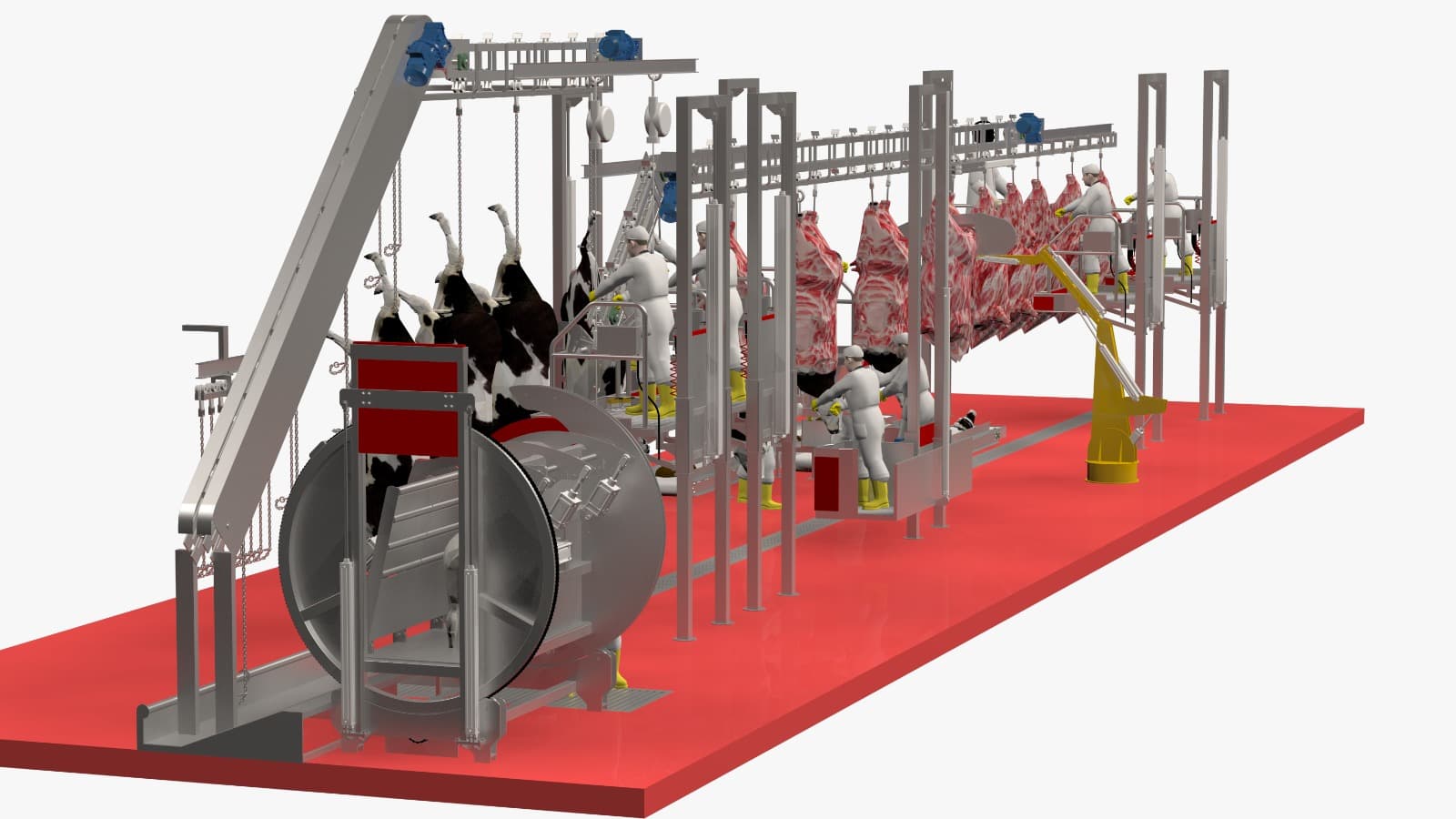
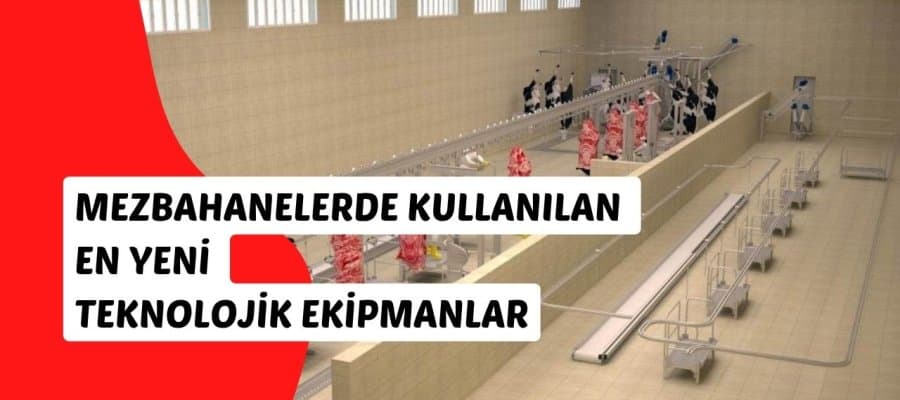
These systems form one of the most important parts of a modern cattle slaughter line. By suspending carcasses from overhead rails and moving them through controlled processing stages, facilities can reduce manual handling, improve hygiene and maintain a continuous production flow.
Why Are Carcass Transport Systems Important?
Carcass movement directly affects the efficiency of the entire slaughter process. If carcasses are not transferred smoothly between workstations, production delays and bottlenecks may occur.
A professionally designed carcass transport system can provide several advantages:
- Continuous production flow
- Reduced manual handling
- Improved occupational safety
- Reduced carcass contact with the floor
- Better hygiene control
- Lower waiting times between stations
- More efficient use of labour
How Do Overhead Rail Systems Work?
Overhead rail systems are designed to suspend carcasses using hooks, rollers or specially developed carrying components.
Depending on the required production capacity, carcasses can be moved manually, semi-automatically or with fully powered conveyor systems.
Automated rail systems can be synchronised with the speed of the processing line to maintain consistent spacing between carcasses and improve workflow efficiency.
Automated Conveyor Systems in Slaughterhouses
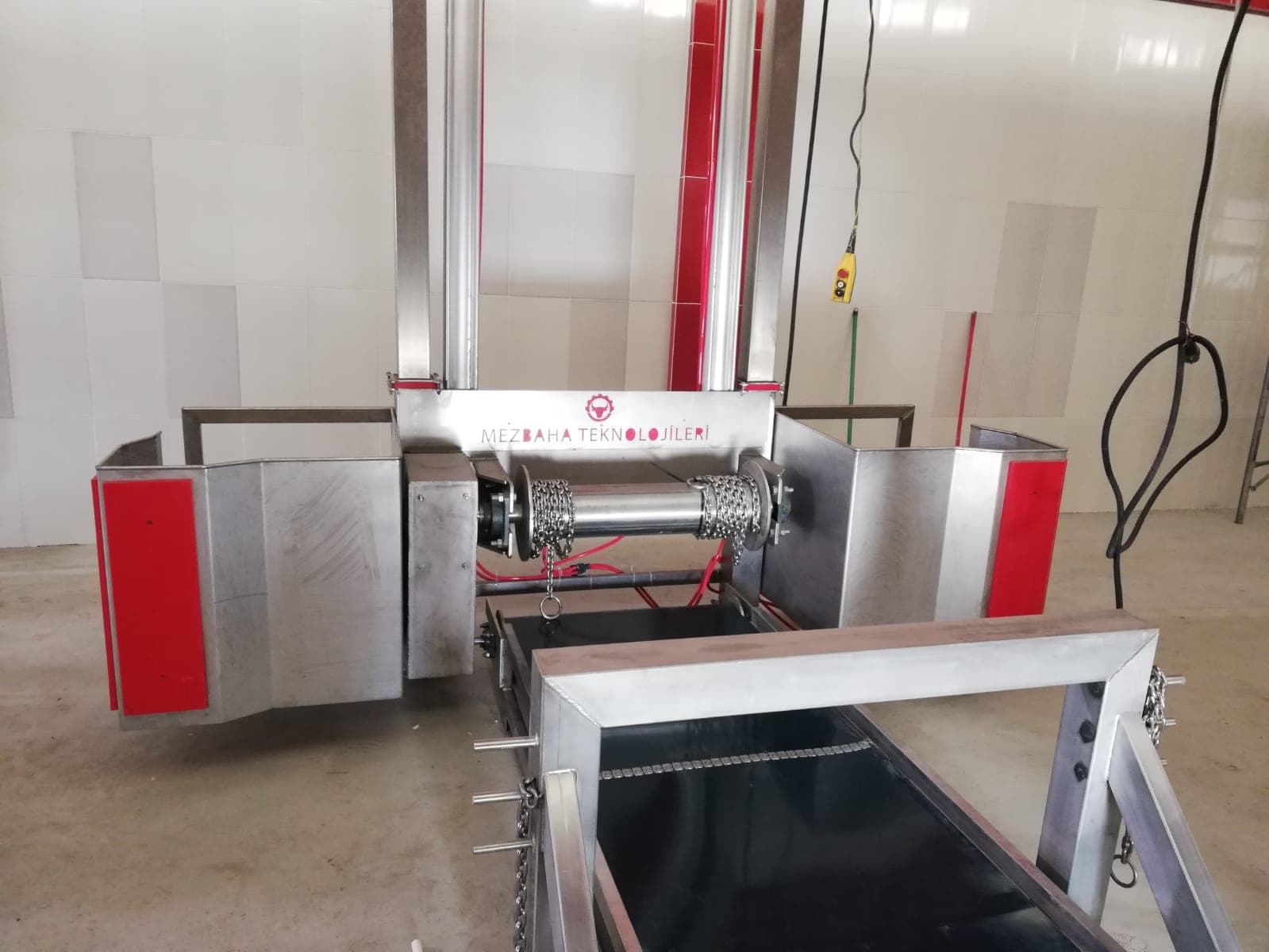
Automated conveyor systems use motors, chains, gearboxes and mechanical drive components to move carcasses along the slaughter line at a controlled speed.
The conveyor speed can be adjusted according to the hourly processing capacity of the slaughterhouse and the time required at each processing station.
This helps prevent unnecessary accumulation of carcasses and ensures that operators receive carcasses at a predictable rate.
Stainless Steel Rail and Conveyor Equipment
Slaughterhouses require equipment that can withstand intensive use, frequent washing and demanding hygiene conditions.
For this reason, stainless steel is widely used for rails, platforms, frames and processing equipment.
Its main advantages include:
- High corrosion resistance
- Easy cleaning
- Long service life
- Suitability for hygienic processing areas
- Resistance to frequent washing and disinfection
Work Platforms and Operator Safety
Modern slaughter lines frequently include stainless steel work platforms positioned at different heights.
These platforms allow operators to access different parts of the carcass safely and ergonomically during processing.
Important platform features may include:
- Non-slip surfaces
- Safety railings
- Stable stainless steel construction
- Easy-to-clean surfaces
- Ergonomic working height
- Safe access points
Hygiene and Carcass Transport
Hygiene is one of the most important priorities in slaughterhouse design. Carcass transportation systems should help maintain separation between clean and contaminated processing areas.
Overhead rail systems reduce direct contact between carcasses and the floor, while organised production flow can help minimise unnecessary movement throughout the facility.
Capacity Planning for Conveyor and Rail Systems
The design of a conveyor and rail system should be based on the actual production capacity of the slaughterhouse.
Important planning factors include:
- Hourly slaughter capacity
- Average carcass weight
- Total rail length
- Number of processing stations
- Conveyor speed
- Number of operators
- Cold storage capacity
- Future expansion plans
Modular Carcass Transport Systems
Modular conveyor and rail systems offer flexibility for slaughterhouses planning future capacity increases.
Additional rail sections, workstations or powered conveyor modules can be integrated as production requirements grow.
This approach helps create a scalable production infrastructure while protecting the initial investment.
Turnkey Slaughter Line Conveyor Solutions
A complete carcass transport system should be designed as part of the overall slaughterhouse process.
Turnkey projects can include rail design, conveyor systems, support structures, work platforms, installation, commissioning and technical support.
Integrating all these components into one project helps ensure that the transport system works efficiently with the rest of the slaughter line.
Safe and Efficient Carcass Transport in Modern Slaughterhouses
A properly designed cattle slaughter line conveyor and rail system can significantly improve production efficiency, hygiene and occupational safety.
For new slaughterhouse investments or modernisation projects, carcass transport systems should be designed specifically according to facility layout, production capacity and future expansion requirements.