What Is a Cattle Slaughter Line? Efficient and Hygienic Slaughter Systems for Modern Abattoirs
Modern cattle slaughter lines are integrated abattoir systems designed to improve hygiene, efficiency, occupational safety and production capacity. With carcass conveying systems, lifting equipment, skinning units, processing platforms and automation technologies, the entire slaughtering process can be managed safely, systematically and efficiently.
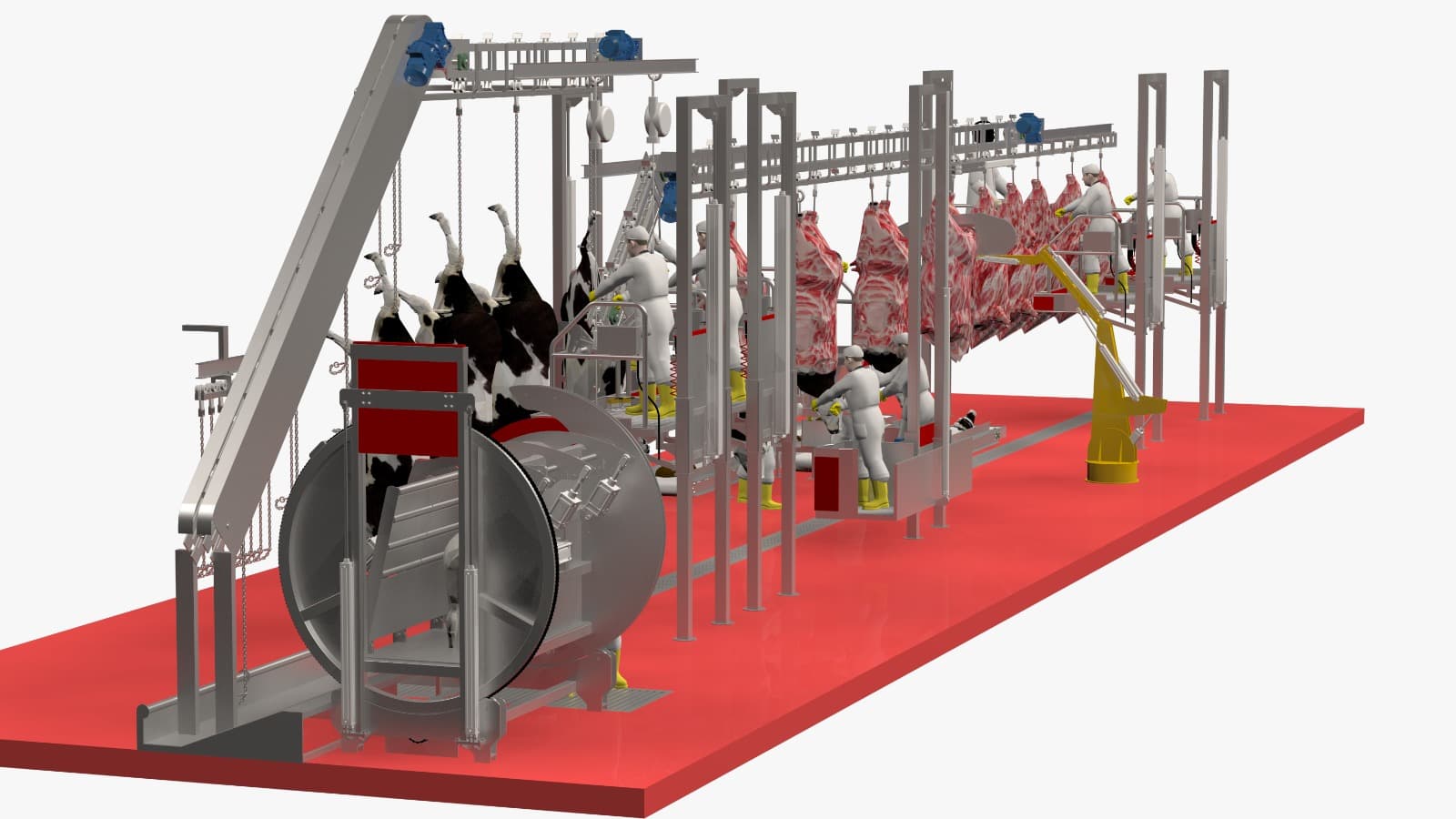
What Is a Cattle Slaughter Line?
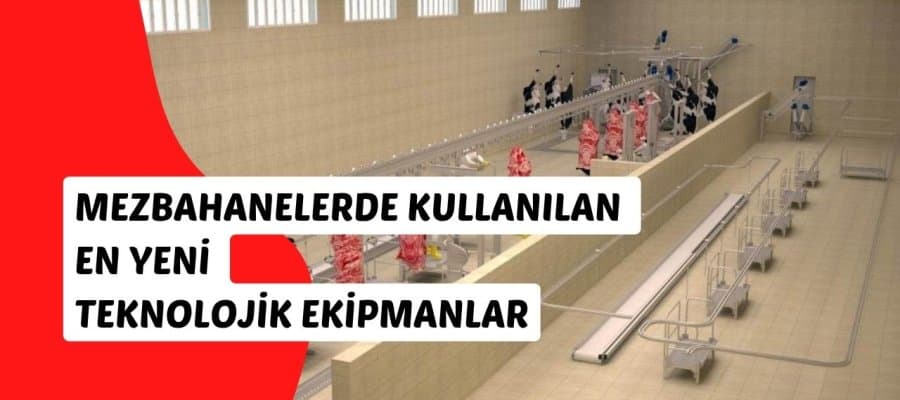
A cattle slaughter line is an integrated system designed to manage the different stages of cattle slaughtering and carcass processing in a controlled, hygienic and efficient manner. Modern slaughterhouses use specially designed machinery, overhead rail systems, conveyors, work platforms and automated equipment to ensure a continuous production flow.
From animal reception and slaughtering to bleeding, skinning, evisceration, carcass splitting, inspection, washing and transfer to cold storage, each stage of the process is carefully planned according to the production capacity and hygiene requirements of the facility.
How Does a Modern Cattle Slaughter Line Work?
A modern cattle slaughter line is designed according to the processing capacity, available facility space, workflow and automation requirements of the slaughterhouse. The main objective is to reduce unnecessary manual handling and ensure that carcasses move safely and efficiently between processing stations.
A typical cattle slaughter line may include the following stages:
- Animal reception and handling
- Stunning and slaughtering
- Bleeding line
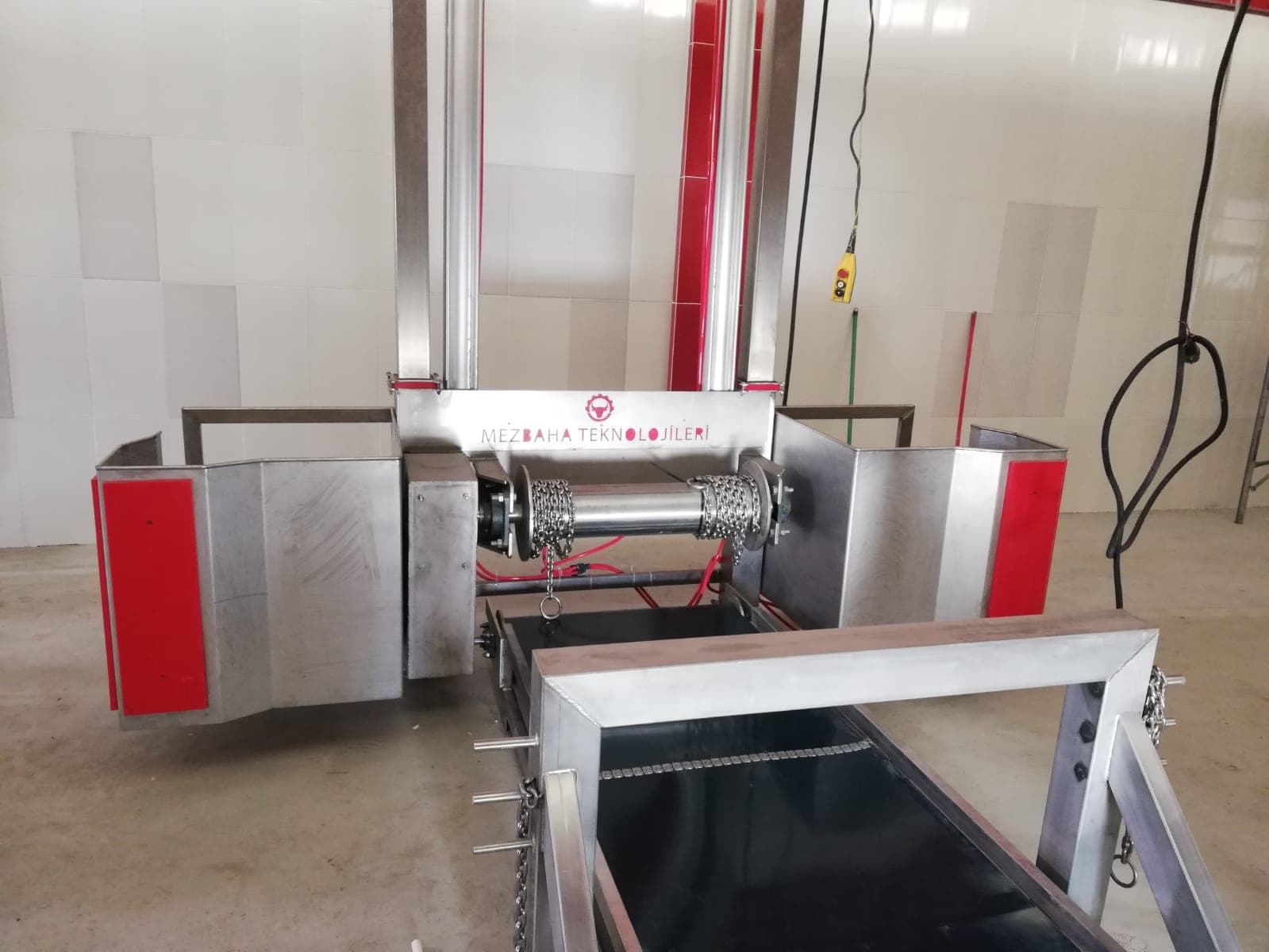
- Carcass lifting and transfer systems
- Hide removal and skinning
- Head and leg processing
- Evisceration stations
- Carcass splitting
- Veterinary inspection points
- Carcass washing
- Weighing and classification
- Transfer to cold storage
The Importance of Automation in Slaughterhouses
Automation plays an increasingly important role in modern slaughterhouse facilities. Automated and semi-automated systems help standardise production processes, reduce manual labour and improve operational efficiency.
Automatic carcass conveying systems allow carcasses to move continuously along the processing line at a controlled speed. This can help reduce waiting times between stations and improve overall plant productivity.
Carcass Conveying and Overhead Rail Systems
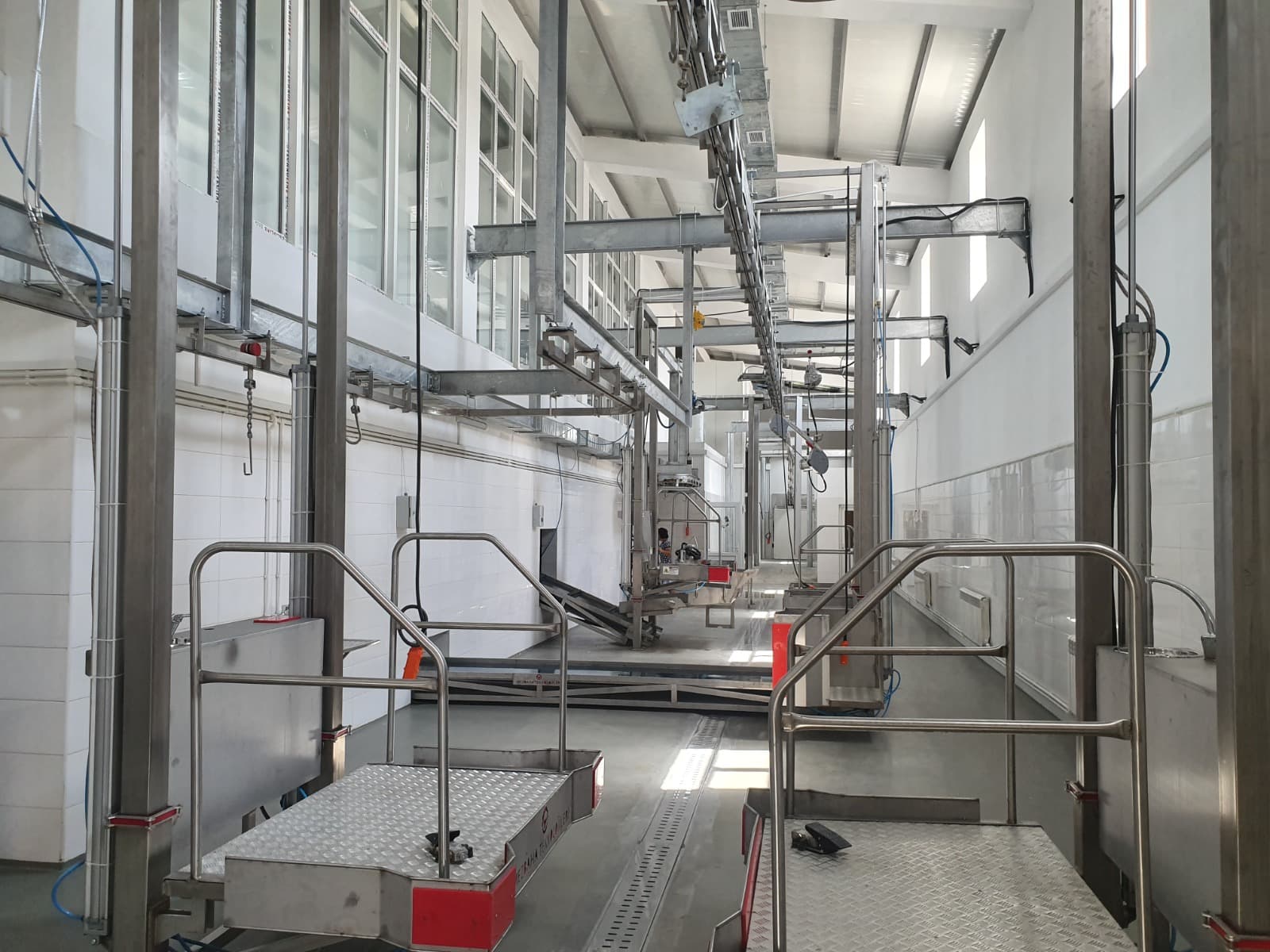
Carcass conveying systems are among the most important components of a cattle slaughter line. Overhead rail systems allow carcasses to be safely transported between different processing areas without direct contact with the floor.
Depending on production capacity, these systems can be designed as manual, semi-automatic or fully automatic solutions.
Stainless Steel Slaughterhouse Equipment
Stainless steel is widely used in slaughterhouse equipment due to its durability, corrosion resistance and hygienic properties. Equipment used in food processing environments must be easy to clean and suitable for frequent washing and disinfection.
Work platforms, processing stations, conveyors and other equipment can therefore be manufactured using high-quality stainless steel to support hygienic production conditions.
Hygiene in Cattle Processing Facilities
Hygiene is one of the most important factors in slaughterhouse design. Clean and contaminated areas should be separated appropriately, and the production flow should be organised in a way that reduces the risk of cross-contamination.
Well-designed carcass transportation systems, drainage solutions and easy-to-clean surfaces contribute to maintaining high hygiene standards throughout the production process.
Occupational Safety and Ergonomic Workstations
Slaughterhouses include heavy carcasses, moving machinery and cutting equipment. For this reason, occupational safety must be considered at every stage of the facility design.
Non-slip work platforms, safety barriers, emergency stop systems and ergonomically positioned workstations can help create safer working conditions for operators.
Capacity Planning for Cattle Slaughter Lines
Every slaughterhouse has different production requirements. A cattle slaughter line should therefore be designed according to the expected hourly and daily processing capacity of the facility.
Important factors include:
- Hourly slaughtering capacity
- Daily production volume
- Available facility space
- Number of operators
- Automation level
- Cold storage capacity
- Veterinary inspection requirements
- Waste management systems
- Future capacity expansion
Turnkey Cattle Slaughterhouse Solutions
A successful slaughterhouse project requires more than individual machines. The processing line, rail systems, automation, work platforms, hygiene infrastructure and cold storage transfer systems must work together as an integrated solution.
Turnkey slaughterhouse projects can include engineering, equipment manufacturing, installation, commissioning and technical support. This approach helps ensure compatibility between all components of the production line.
Efficient and Hygienic Cattle Slaughter Systems
A professionally designed cattle slaughter line can improve production efficiency, hygiene, employee safety and carcass handling quality. Modular solutions can also provide flexibility for future production capacity increases.
For new slaughterhouse investments or the modernisation of existing facilities, selecting a cattle processing system designed specifically for the facility's capacity and operational requirements can provide significant long-term advantages.